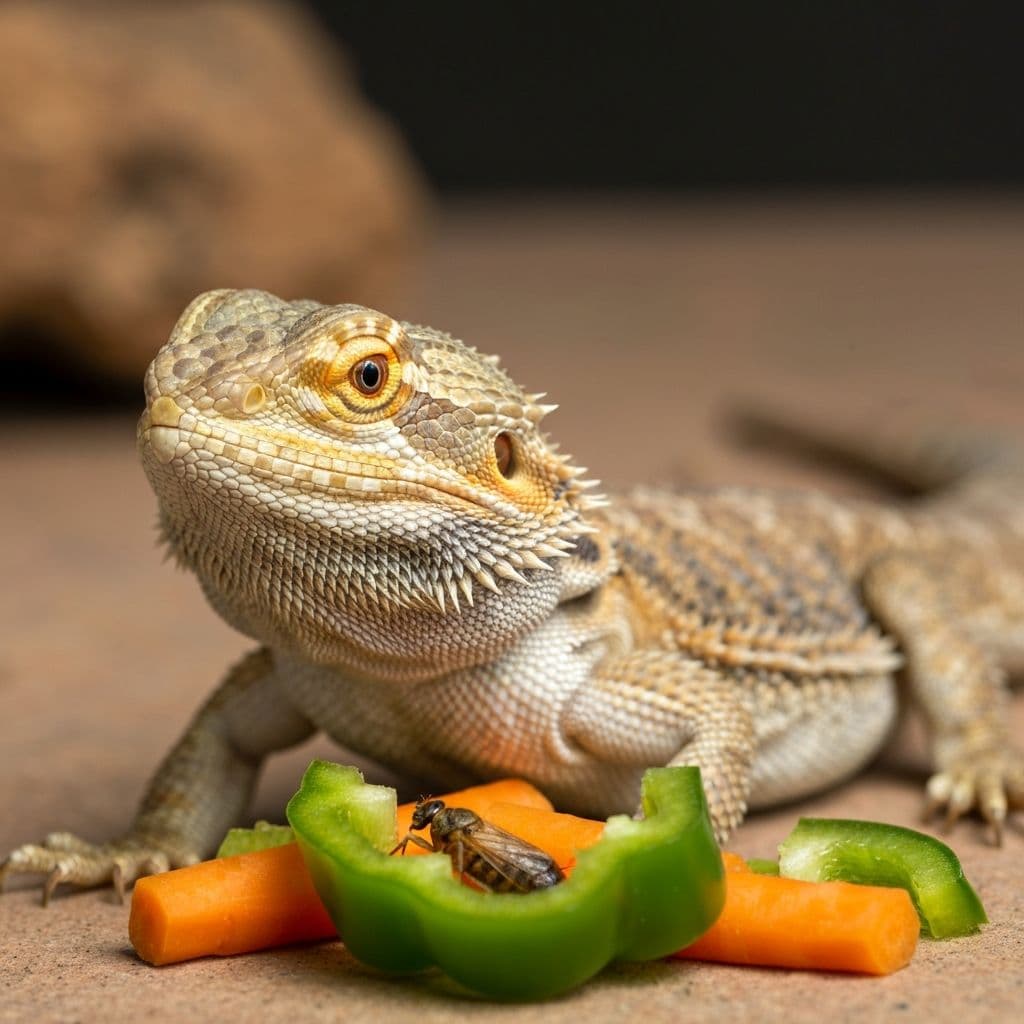
Complete guide to bearded dragon food including vegetables, insects, supplements, and feeding schedules to keep your reptile healthy.
Bearded Dragon Food: Complete Nutrition Guide for Healthy Reptiles
Introduction
Bearded dragons are one of the most popular pet reptiles, and their dietary needs are crucial for maintaining their health and longevity. Understanding what bearded dragon food options are available and how to properly feed your scaly companion is essential for any responsible pet owner. Whether you're a first-time bearded dragon keeper or an experienced herpetologist, this comprehensive guide will help you navigate the complexities of bearded dragon nutrition.
Proper bearded dragon food includes a balanced mix of live insects, vegetables, and supplements. These cold-blooded creatures require specific nutrients to thrive, and feeding them the wrong foods or in incorrect proportions can lead to serious health issues. By the end of this guide, you'll understand exactly what to feed your bearded dragon, how often to feed them, and which foods to avoid.
Table of Contents
- Types of Bearded Dragon Food
- Live Insects for Bearded Dragons
- Vegetables and Greens
- Fruits for Bearded Dragons
- Supplements and Vitamins
- Feeding Schedules by Age
- Foods to Avoid
- Hydration and Water
- FAQs
- Conclusion
Types of Bearded Dragon Food {#types}
Live Insects
Live insects form the protein backbone of bearded dragon food. These reptiles are insectivores by nature, and they need a steady supply of live prey to maintain their predatory instincts and nutritional requirements.
The best bearded dragon food insects include:
- Crickets: The most common choice, widely available and affordable
- Dubia Roaches: High in protein and more nutritious than crickets
- Mealworms: Good source of fat and protein
- Superworms: Larger option for adult bearded dragons
- Phoenix Worms: Excellent calcium content
- Hornworms: Low fat, high moisture content
Vegetables
Vegetables should comprise approximately 40-50% of an adult bearded dragon's diet. Leafy greens are essential for vitamins and minerals, while other vegetables provide variety and hydration.
Best Vegetables for Bearded Dragon Food:
- Collard greens
- Mustard greens
- Turnip greens
- Dandelion greens
- Butternut squash
- Acorn squash
- Bell peppers
- Zucchini
Live Insects for Bearded Dragons {#insects}
Nutritional Breakdown
When selecting live insects for your bearded dragon food, understanding their nutritional value is crucial. Different insects offer varying levels of proteins, fats, and calcium.
Cricket Nutrition:
- Protein: 11-13%
- Fat: 5-7%
- Calcium: Low (0.1%)
- Easily digestible
- Most economical option
While crickets are popular and affordable bearded dragon food, they require calcium dusting due to their low natural calcium content. This is why gutloading and supplementation become critical components of a cricket-based diet.
Dubia Roach Advantages:
- Higher protein content (13-16%)
- Better calcium ratio than crickets
- Longer lifespan in containers
- Less odor than crickets
- Cannot escape or survive outside
Gutloading and Dusting
Gutloading refers to feeding nutritious food to the insects 24-48 hours before offering them as bearded dragon food. This increases the nutritional value of the insects themselves.
Effective Gutload Foods:
- Dark leafy greens (collard, mustard)
- Squash and pumpkin
- Carrots
- Apples
- Commercial gutload formulas
After gutloading, coat the insects with calcium powder before feeding them to your bearded dragon. This ensures adequate calcium intake, which is essential for bone health and preventing metabolic bone disease.
Feeding Frequency
Juvenile bearded dragons require more insects in their diet compared to adults. Young dragons eat insects 1-3 times daily, while adults eat insects 3-4 times per week. This shift in feeding frequency reflects their changing nutritional needs and slower metabolism as they mature.
Vegetables and Greens {#vegetables}
Essential Greens
Leafy greens are among the most important bearded dragon food components for adult dragons. These greens provide essential vitamins, minerals, and fiber without excessive fat.
Why Collard Greens?
Collard greens are considered the gold standard in bearded dragon food for several reasons:
- Excellent calcium-to-phosphorus ratio (14.5:1)
- High in vitamin A and K
- Low in oxalates (doesn't bind calcium)
- Widely available and affordable
- Easy to prepare
Offer collard greens 4-5 times per week as a staple vegetable. The high calcium content makes them ideal for supporting skeletal health.
Seasonal Vegetables
While staple greens should be offered regularly, varying other vegetables provides nutritional diversity and prevents dietary boredom. Seasonal vegetables also ensure your bearded dragon gets a full spectrum of nutrients.
Spring/Summer Options:
- Zucchini
- Yellow squash
- Bell peppers (red, orange, yellow)
- Green beans
- Asparagus
Fall/Winter Options:
- Butternut squash
- Acorn squash
- Pumpkin
- Carrots
- Kale (in moderation)
Vegetables to Limit
Some vegetables shouldn't be offered regularly as bearded dragon food because they contain oxalates or phosphorus that interferes with calcium absorption:
- Spinach (high oxalates)
- Swiss chard (high oxalates)
- Beet greens (high oxalates)
- Iceberg lettuce (minimal nutrition)
- Celery (mostly water)
Fruits for Bearded Dragons {#fruits}
While fruits can be part of a healthy bearded dragon food diet, they should only comprise 5-10% of food intake. Most fruits are high in sugar and low in essential nutrients.
Safe Fruits (Occasional Treats):
- Papaya - High in vitamin A, low sugar
- Figs - Good calcium source
- Apricots - Rich in beta-carotene
- Blueberries - Antioxidant benefits
- Mango - Limited portions only
- Melon - Hydrating but diluted nutrients
Fruits to Avoid:
- Avocado (toxic)
- Citrus (digestive upset)
- Rhubarb (oxalates)
- Persimmon (difficult to digest)
Supplements and Vitamins {#supplements}
Calcium Supplementation
Calcium is the most critical supplement in bearded dragon food preparation. Metabolic bone disease, a serious condition affecting captive reptiles, results from calcium deficiency.
Recommended Supplementation Protocol:
- Juveniles: Dust insects with calcium 5-6 times weekly
- Adults: Dust insects with calcium 2-3 times weekly
- Use calcium without D3: 4-5 days weekly
- Use calcium with D3: 1-2 times monthly (excess D3 is harmful)
Multivitamin Supplements
A quality multivitamin containing vitamin A, B vitamins, and minerals should be used in conjunction with calcium.
Best Practices:
- Use reptile-specific multivitamins
- Dust insects 2 times weekly
- Rotate between different supplement brands
- Store supplements in cool, dry conditions
- Check expiration dates regularly
Signs of Nutritional Deficiencies
Proper bearded dragon food and supplementation prevents serious health issues:
- Calcium deficiency: Lethargy, tremors, swollen limbs
- Vitamin A toxicity: Peeling skin, swollen eyes
- Poor nutrition: Weight loss, dull coloration, lack of appetite
Feeding Schedules by Age {#schedules}
Juvenile Bearded Dragons (0-12 months)
Young bearded dragons require aggressive feeding to support rapid growth and development.
Juvenile Feeding Ratio:
- 80% insects
- 20% vegetables and fruits
- Feed insects 1-3 times daily
- Vegetables offered daily (small amounts)
Juvenile Portion Sizes:
Offer insects approximately the size of the dragon's head. A juvenile might consume 20-40 crickets daily depending on size and appetite. This high protein intake supports rapid bone and muscle development.
Adult Bearded Dragons (12+ months)
As bearded dragons mature, their nutritional needs shift toward more vegetables and fewer insects.
Adult Feeding Ratio:
- 50% vegetables and greens
- 50% insects
- Feed insects 3-4 times weekly
- Vegetables offered daily
Adult Portion Sizes:
Offer 10-15 insects per feeding session, spacing meals evenly throughout the week. This prevents obesity while maintaining muscle mass and health.
Senior Bearded Dragons (7+ years)
Aging bearded dragons may have reduced appetites and metabolic rates.
- 60% vegetables
- 40% insects (fewer times weekly)
- Monitor weight closely
- Adjust portions based on activity level
Foods to Avoid {#avoid}
Certain foods are dangerous for bearded dragons and should never be offered as bearded dragon food:
Toxic Foods:
- Avocado - Contains persin (toxic compound)
- Rhubarb - Oxalates cause kidney damage
- Chocolate - Theobromine toxicity
- Salt - Causes dehydration
- Caffeine - Cardiac issues
Insects to Avoid:
- Fireflies - Highly toxic
- Wild-caught insects - May contain pesticides
- Stinging insects - Cause injury
- Large predatory insects - Can injure the dragon
Common Mistakes:
Never feed bearded dragon food that's:
- Larger than the space between their eyes
- Coated in unknown pesticides
- Collected from treated lawns or gardens
- Stored improperly
Hydration and Water {#water}
While bearded dragon food provides some hydration, especially from vegetables and fruits, supplemental water is important.
Hydration Methods:
- Misting vegetables: Spray greens with water before feeding
- Water dishes: Shallow dishes they can drink from
- Dubia roaches: High moisture content aids hydration
- Hornworms: 85% water content
- Soaking: Occasional warm water soaks help hydration
Signs of Dehydration:
- Wrinkled skin
- Lethargy
- Lack of appetite
- Dark urine
- Thick, stringy poop
FAQs {#faqs}
Q: How long can a bearded dragon go without eating?
A: Adult bearded dragons can survive 2 weeks without food, though this isn't recommended. They should eat regularly to maintain health and energy levels. Never deliberately withhold food except for supervised fasting.
Q: Can bearded dragons eat every day?
A: Juveniles should eat daily, but adults thrive on less frequent feeding (3-4 times weekly). Overfeeding can lead to obesity and health complications.
Q: What's the best bearded dragon food for weight loss?
A: Increase vegetable proportion and reduce insect frequency. Offer more leafy greens with minimal fat content. Exercise and appropriate lighting also support healthy weight management.
Q: Are live insects necessary, or can I feed frozen?
A: While live insects are preferred to stimulate hunting instincts, thawed frozen insects are acceptable alternatives and are safer than live wild-caught insects.
Q: How do I know if my bearded dragon is getting enough nutrition?
A: Healthy bearded dragons display bright coloration, maintain appropriate weight, have clear eyes, and show active behavior. Regular veterinary checkups ensure nutritional adequacy.
Q: Can bearded dragons eat insects from my yard?
A: Never feed wild-caught insects as bearded dragon food. They may carry parasites, pesticides, or toxins. Only feed insects from reputable suppliers or home-raised insects.
Conclusion
Proper bearded dragon food selection and feeding schedules are fundamental to your reptile's health and longevity. By combining live insects, nutritious vegetables, appropriate supplements, and correct portion sizes based on age, you'll provide your bearded dragon with optimal nutrition. Remember that bearded dragon food preferences may vary slightly between individuals, so observe your dragon's behavior and adjust accordingly. Consult with a reptile veterinarian regularly to ensure your feeding regimen supports long-term health. With proper nutrition, your bearded dragon can live 15-20 years as a healthy, vibrant companion. Start implementing these bearded dragon food guidelines today to set your pet up for success.