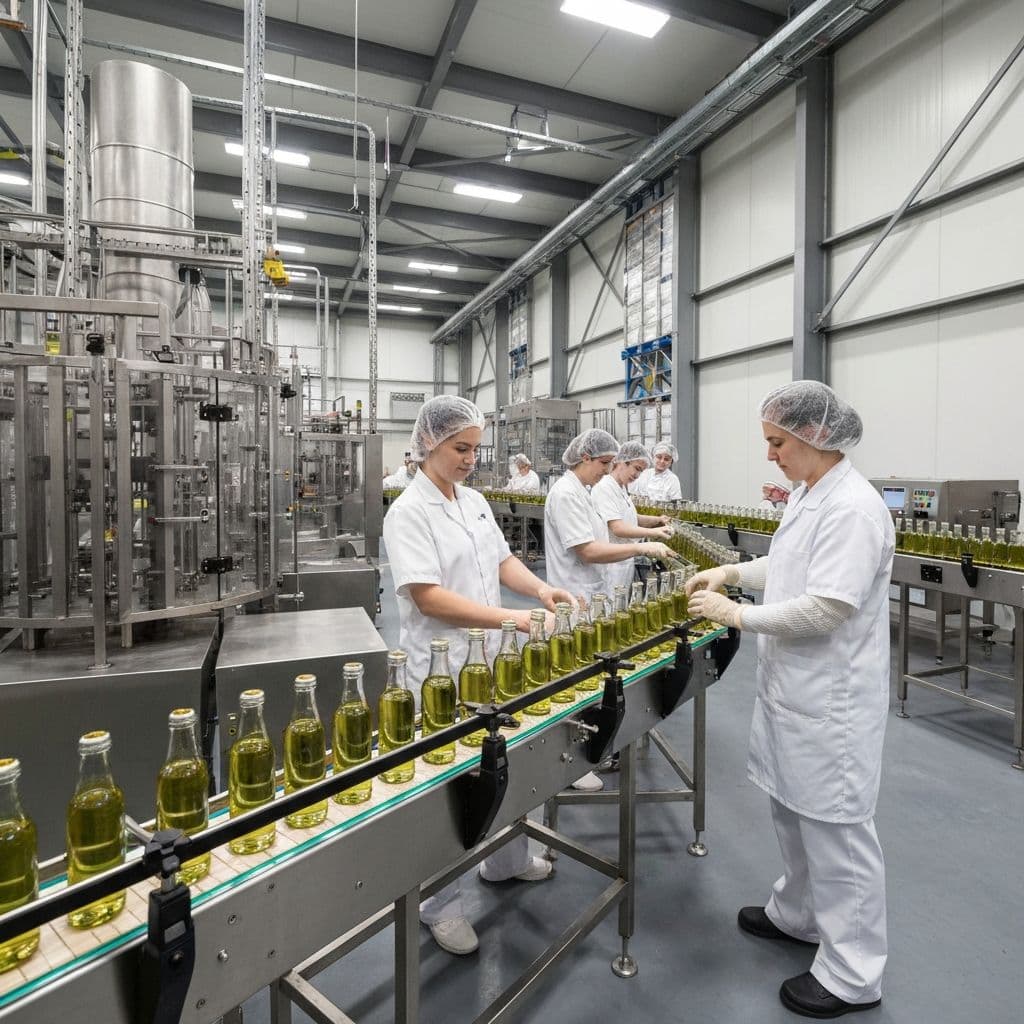
Food and beverage industry classification examples: explore segments, sectors, SIC/NAICS codes, real-world companies, and how the F&B industry is categorized.
Food And Beverage Industry Classification Examples
Understanding food and beverage industry classification examples is essential for business owners, investors, marketers, and students trying to navigate one of the world's largest and most complex industries. The food and beverage (F&B) sector includes everything from raw agricultural commodities to packaged goods, restaurants, and delivery platforms. In this guide, we'll break down how the industry is classified, explore key segments, and provide real-world examples to help you understand how companies fit into the broader F&B ecosystem.
With global revenues in the trillions, the F&B industry is divided into multiple layers and subcategories. Knowing these classifications helps businesses position themselves strategically, comply with regulations, and identify market opportunities.
Table of Contents
- What Is the Food and Beverage Industry?
- How the Industry Is Classified
- Major Segments of the F&B Industry
- NAICS and SIC Classification Examples
- Food Industry Classification Examples
- Beverage Industry Classification Examples
- Food Service Industry Examples
- Emerging Classifications in F&B
- Practical Tips for Understanding F&B Classifications
- FAQs
- Conclusion
What Is the Food and Beverage Industry?
The food and beverage industry encompasses all businesses involved in the production, processing, distribution, preparation, and service of food and drinks for human consumption.
Scope of the Industry
- Agriculture and farming
- Food manufacturing and processing
- Beverage production
- Wholesale and retail distribution
- Restaurants and foodservice
- Packaging and logistics
Economic Importance
The F&B sector is a cornerstone of the global economy, providing millions of jobs and supporting countless supporting industries, from packaging to transportation.
How the Industry Is Classified
Classification systems provide a standardized way to categorize F&B businesses.
Common Classification Frameworks
- NAICS North American Industry Classification System
- SIC Standard Industrial Classification
- ISIC International Standard Industrial Classification (United Nations)
- Consumer goods classifications FMCG, CPG, perishables, non-perishables
Why Classifications Matter
Classifications help with:
- Regulatory compliance
- Market research
- Investment analysis
- Tax and trade reporting
- Benchmarking against competitors
Major Segments of the F&B Industry
The industry is commonly broken into several major segments.
1. Primary Food Production
- Crop cultivation
- Livestock and dairy
- Fisheries and aquaculture
2. Food Processing and Manufacturing
- Packaged foods
- Frozen foods
- Dairy products
- Baked goods
- Confectionery
3. Beverage Production
- Non-alcoholic beverages
- Alcoholic beverages
- Bottled water
- Coffee and tea
4. Distribution and Wholesale
- Foodservice distributors
- Grocery wholesalers
- Cold chain logistics
5. Retail
- Supermarkets
- Convenience stores
- Specialty food shops
6. Foodservice
- Restaurants (QSR, casual, fine dining)
- Catering
- Institutional foodservice
- Food trucks
NAICS and SIC Classification Examples
Here are real-world food and beverage industry classification examples using NAICS.
NAICS Examples
- 311 Food Manufacturing
- 3111: Animal Food Manufacturing
- 3112: Grain and Oilseed Milling
- 3115: Dairy Product Manufacturing
- 3116: Animal Slaughtering and Processing
- 312 Beverage and Tobacco Product Manufacturing
- 3121: Beverage Manufacturing
- 445 Food and Beverage Retailers
- 4451: Grocery Stores
- 4453: Beer, Wine, and Liquor Stores
- 722 Food Services and Drinking Places
- 7225: Restaurants and Other Eating Places
SIC Examples
- 2000 Food and Kindred Products
- 2080 Beverages
- 5411 Grocery Stores
- 5812 Eating Places
Food Industry Classification Examples
Let's look at concrete examples of how food companies are classified.
Packaged Food Manufacturers
- General Mills Grain-based foods manufacturing
- Kraft Heinz Diversified packaged foods
- Nestlé Multinational food and beverage conglomerate
Dairy Companies
- Danone Dairy and plant-based
- Land O'Lakes Dairy cooperative
Snack and Confectionery
- Mondelēz International Biscuits, chocolate, and snacks
- Mars, Incorporated Confectionery and pet food
Meat Processing
- Tyson Foods Meat and poultry processing
- JBS Global meat producer
Beverage Industry Classification Examples
Beverages are typically classified into alcoholic and non-alcoholic categories.
Non-Alcoholic Beverages
- The Coca-Cola Company Soft drinks, bottled water, juices
- PepsiCo Beverages and snacks
- Nestlé Waters Bottled water
Alcoholic Beverages
- Anheuser-Busch InBev Beer
- Heineken Beer
- Diageo Spirits
- Constellation Brands Beer, wine, and spirits
Coffee and Tea
- Starbucks Retail coffee
- Keurig Dr Pepper Coffee systems and beverages
Food Service Industry Examples
The foodservice sector is highly diverse.
Quick Service Restaurants (QSR)
- McDonald's
- Burger King
- Taco Bell
- KFC
Fast Casual
- Chipotle
- Panera Bread
- Sweetgreen
Casual Dining
- Applebee's
- Olive Garden
- Chili's
Fine Dining
Independent, high-end restaurants typically owned by chefs or hospitality groups.
Catering and Institutional
- Aramark
- Sodexo
- Compass Group
Emerging Classifications in F&B
New categories continue to emerge alongside consumer trends.
Plant-Based Foods
- Beyond Meat
- Impossible Foods
Functional Foods and Beverages
Products marketed for health benefits, such as probiotics, adaptogens, and fortified drinks.
Meal Kits and Delivery
- HelloFresh
- Blue Apron
- DoorDash
- Uber Eats
Alternative Proteins
Insect protein, lab-grown meat, and fermentation-based products are creating new subsegments.
Sustainable and Organic
Organic, non-GMO, and regeneratively farmed products are tracked in new certifications and classifications.
Practical Tips for Understanding F&B Classifications
Whether you're a business owner, investor, or student, these tips will help you navigate F&B classifications.
- Start with NAICS or SIC codes when researching companies or industries
- Map each company to multiple categories many operate in several segments
- Follow trade associations like the FMI or National Restaurant Association
- Use financial databases for classification data (e.g., Bloomberg, S&P)
- Stay current with trends new categories emerge frequently
- Differentiate B2B vs B2C players within the industry
- Consider global classifications when dealing with international trade
FAQs
What is the food and beverage industry?
The food and beverage industry includes all businesses that produce, process, distribute, and serve food and drinks. It spans agriculture, manufacturing, retail, and foodservice.
What are examples of food industry classifications?
Examples include NAICS 311 (Food Manufacturing), 312 (Beverage Manufacturing), 445 (Food and Beverage Retailers), and 722 (Food Services and Drinking Places).
How is the beverage industry classified?
Beverages are classified into non-alcoholic (soft drinks, water, juices, coffee, tea) and alcoholic (beer, wine, spirits) categories, with NAICS 3121 as a common grouping.
Why do F&B classifications matter?
They help with regulatory compliance, market research, financial reporting, benchmarking, and strategic business decisions.
Are plant-based foods a separate classification?
Plant-based foods often fall under existing manufacturing codes but are increasingly tracked as a distinct market segment due to rapid growth.
Conclusion
Food and beverage industry classification examples reveal just how vast and interconnected this sector truly is. From raw materials and manufacturing to retail shelves and restaurant tables, the F&B industry plays a critical role in the global economy and daily life. By understanding classification systems like NAICS and SIC, along with real-world company examples, businesses and consumers can better navigate the industry's structure, identify opportunities, and recognize emerging trends that will shape the future of food and drink.