Compare guest posts and niche edits for 2026: costs, speed, risk, and SEO value. Learn which link-building tactic fits your goals and how to blend both.
Introduction
If you are planning a link-building campaign, sooner or later you will face a simple but consequential choice: should you invest in guest posts or niche edits? Both build backlinks, both can raise your rankings, and both are widely sold across the SEO industry. Yet they work in very different ways, carry different risks, and suit different goals.
This guide breaks down the real differences between guest posts and niche edits so you can decide with confidence. We will look at how each method works, what they cost, how quickly they deliver results, and which one Google is more comfortable with. By the end you will know when to choose one, when to choose the other, and when a blend of both is the smartest play. Last updated on July 15, 2026.
Table of Contents
- What is a guest post?
- What is a niche edit?
- The core differences at a glance
- Cost and speed compared
- SEO value and link equity
- Risk, safety, and Google's guidelines
- When to choose guest posts
- When to choose niche edits
- How to blend both strategies
- Frequently asked questions
- Conclusion
What Is a Guest Post?
A guest post is a brand-new article you (or a writer on your behalf) contribute to another website. In exchange for useful content, the host site publishes your piece and usually allows a contextual link back to your site. Guest posts are the backbone of relationship-driven outreach and remain one of the most transparent ways to earn placements.
Because the content is new, you control the topic, the angle, and the surrounding context. That editorial control is a major advantage: you can craft an article that genuinely fits the host's audience while pointing readers to a relevant page on your own site. If you are new to the format, our explainer on what a guest post is covers the fundamentals.
What Is a Niche Edit?
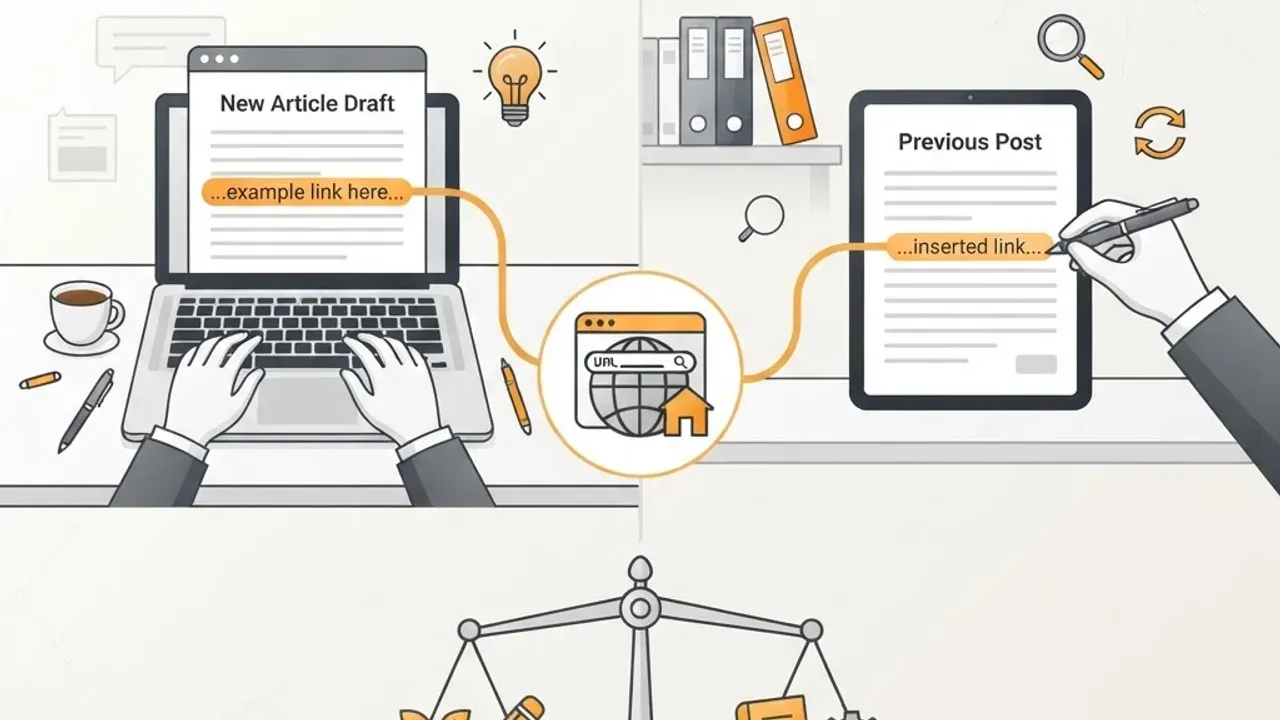
A niche edit, sometimes called a "link insertion" or "curated link," is a backlink added to an existing article on another website. Instead of publishing a new page, you place your link inside content that is already indexed and, ideally, already receiving traffic.
The appeal is speed and inherited authority. A page that has aged and accumulated its own links may pass value faster than a brand-new post. The catch is that you have far less control over the context, and the insertion must feel natural rather than bolted on. Done poorly, niche edits look exactly like what they often are: a paid link dropped into unrelated text.
The Core Differences at a Glance
The two tactics diverge on several axes:
Content requirement
Guest posts require original writing; niche edits do not. If you have strong content resources, guest posting lets you showcase expertise. If writing is a bottleneck, niche edits skip that step entirely.
Editorial context
Guest posts let you build the context around your link. Niche edits force you to work within someone else's existing paragraphs, so relevance depends on picking the right page.
Indexing status
A niche edit targets a page that is often already indexed, while a guest post must be crawled and indexed after publication. This is the main reason niche edits are marketed as "faster."
Cost and Speed Compared
Pricing varies widely by site quality, but some general patterns hold. Guest posts typically cost more per placement because they include content creation and a full editorial process. Niche edits can be cheaper on a per-link basis since no new article is produced, though placements on genuinely strong pages command premium rates.
Speed usually favors niche edits. A guest post moves through pitching, writing, revisions, and publishing, which takes time. A niche edit can go live as soon as the host agrees and updates the page. If you want to understand market rates in detail, our breakdown of guest post pricing is a useful companion.
That said, "fast" is not the same as "safe" or "durable." A rushed niche edit on a thin page can underperform a well-placed guest post that keeps earning relevance over time.
SEO Value and Link Equity
Both link types can pass meaningful equity, but the value depends less on the label and more on fundamentals: the authority of the host domain, the topical relevance of the page, the quality of surrounding content, and whether the link is genuinely useful to readers.
Guest posts often win on relevance because you build the entire article around your topic. Niche edits can win on inherited authority when the target page already ranks and has earned its own backlinks. Neither is universally superior; the best link is the one that sits in relevant, trusted content and helps a real reader. For a wider view of how placements support rankings, see our guide to guest posting in SEO.
Risk, Safety, and Google's Guidelines
Google's spam policies treat any link exchanged primarily to manipulate rankings as a link scheme, regardless of whether it lives in a new article or an old one. That means both guest posts and niche edits can be risky if they are low quality, irrelevant, or clearly transactional.
Niche edits carry a subtle extra risk: because the link is inserted into pre-existing content, a mismatch between your link and the article's topic is common and easy for algorithms to spot. Guest posts, when written well, tend to look more natural because the context is purpose-built. The safeguard for both is the same: prioritize relevance, editorial standards, and genuine value over raw volume. A trustworthy content writing partner helps keep both formats on the right side of quality.
When to Choose Guest Posts
Guest posts are the stronger choice when:
- You want full control over context and anchor placement.
- You are building brand authority and want a byline that demonstrates expertise.
- You are entering a competitive niche where relevance is scrutinized, such as health or finance.
- You value long-term relationships with publishers who may link to you again.
Guest posting also doubles as content marketing. A great article can drive referral traffic and leads for months, not just a ranking signal. If you want to scale relationships the right way, a structured guest blog outreach strategy pays off.
When to Choose Niche Edits
Niche edits make sense when:
- You need placements quickly and cannot wait through a full editorial cycle.
- You have identified aged, relevant pages that already perform well.
- You want to diversify your link profile without producing new content for every placement.
- You are supplementing an existing guest-posting program rather than replacing it.
The key is discipline: only pursue niche edits on pages where your link truly belongs and adds context for the reader. A link dropped into an unrelated listicle is a liability, not an asset.
How to Blend Both Strategies
The most resilient campaigns rarely rely on a single tactic. A balanced approach might use guest posts to establish authority and topical relevance, then layer in carefully chosen niche edits to accelerate results and diversify anchors. This mix produces a natural-looking profile that does not over-index on one pattern.
A practical blend looks like this: lead with guest posts on relevant, editorially sound sites; add niche edits selectively on aged pages that match your topic; and keep anchor text varied and reader-friendly throughout. Pair the campaign with strong on-page work and, where visuals help, professional infographic design to make your linked pages genuinely worth citing. To go deeper on combining outreach and links, read our guide to link building with guest posting.
Frequently Asked Questions
Are niche edits against Google's guidelines? Not inherently. Google objects to links created primarily to manipulate rankings. A relevant, genuinely useful niche edit on a quality page is far safer than a spammy one on an unrelated page.
Which is cheaper, guest posts or niche edits? Niche edits are often cheaper per link because no content is created, but placements on strong, aged pages can cost as much as premium guest posts.
Do niche edits work faster than guest posts? Usually yes, because they target pages that may already be indexed and ranking. Speed should not override relevance and quality, however.
Can I use both in the same campaign? Absolutely. Blending guest posts for authority with selective niche edits for speed and diversity is a common, effective approach.
How do I judge a good placement? Look at topical relevance, domain trust, the quality of surrounding content, real traffic, and whether the link genuinely helps readers, not just metrics.
Do guest posts help with more than links? Yes. They build brand awareness, referral traffic, and author authority, which niche edits generally do not.
Conclusion
Guest posts and niche edits are not rivals so much as different tools for different jobs. Guest posts give you control, context, and brand-building power, while niche edits offer speed and inherited authority. Neither is a shortcut around quality: relevance and genuine usefulness decide whether either one helps or hurts.
Choose based on your goals, your timeline, and your content resources, and consider blending both for a natural, durable link profile. If you want expert help planning placements that align with Google's standards, our team can build a strategy tailored to your niche. Ready to grow your authority the right way? Explore our digital marketing services and start building links that last.