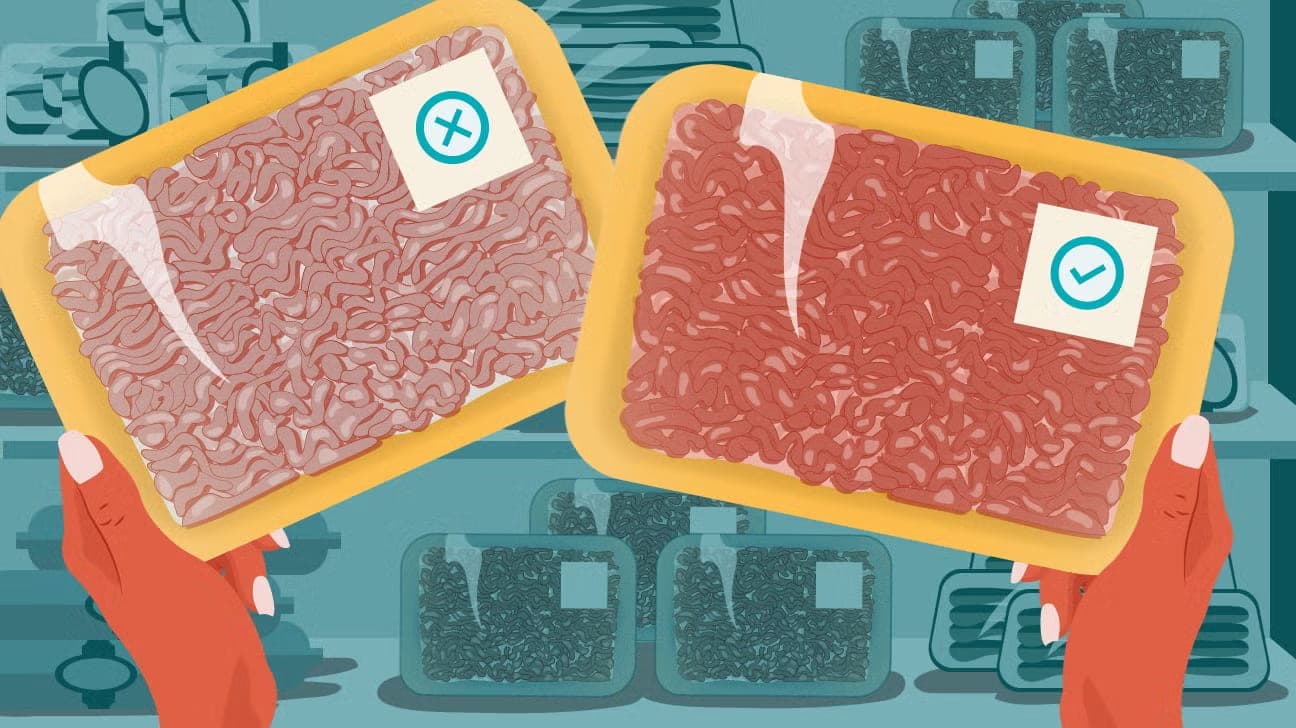
Discover how long ground beef can stay in the fridge safely. Learn storage tips, spoilage signs, and food safety guidelines for fresh ground beef.
How Long Can Ground Beef Stay in The Fridge: Complete Food Safety Guide
Understanding how long ground beef can stay in the fridge is essential knowledge for every home cook. Ground beef is one of the most versatile and popular proteins in kitchens worldwide, but it's also one of the most perishable. Improper storage can lead to foodborne illness, wasted money, and ruined meals.
This comprehensive guide will answer all your questions about ground beef storage, from refrigerator timelines to freezer strategies, and help you identify when your ground beef has gone bad. By the end, you'll have the confidence to store your ground beef safely and make the most of every purchase.
Table of Contents
- The Short Answer: Ground Beef Fridge Life
- Why Ground Beef Spoils Faster Than Other Cuts
- USDA Guidelines for Ground Beef Storage
- How to Properly Store Ground Beef in the Fridge
- Signs Your Ground Beef Has Gone Bad
- Cooked Ground Beef Storage Times
- Freezing Ground Beef for Extended Storage
- Safe Thawing Methods
- Common Mistakes to Avoid
- FAQs
- Conclusion
The Short Answer: Ground Beef Fridge Life
Let's get straight to the point: raw ground beef can safely stay in the refrigerator for 1-2 days after purchase. This timeline applies whether you bought it from the grocery store, butcher shop, or ground it yourself at home.
Here's a quick reference chart:
| Ground Beef Type | Refrigerator (40°F/4°C) | Freezer (0°F/-18°C) | ||-|| | Raw ground beef | 1-2 days | 3-4 months | | Cooked ground beef | 3-4 days | 2-3 months | | Thawed ground beef | 1-2 days | Do not refreeze raw |
This 1-2 day window might seem short, but there are good reasons for this limited timeframe, which we'll explore in detail.
Why Ground Beef Spoils Faster Than Other Cuts
You might wonder why ground beef has a shorter shelf life than steaks or roasts. The answer lies in the grinding process itself.
Surface Area Exposure
When beef is ground, the process dramatically increases its surface area. Consider these facts:
- A whole muscle cut has bacteria primarily on its exterior
- Grinding mixes exterior bacteria throughout the entire product
- More surface area means more opportunity for bacterial growth
Oxygen Exposure
The grinding process also incorporates air into the meat:
- Oxygen accelerates oxidation and bacterial growth
- Air pockets create ideal environments for microorganisms
- The porous nature of ground beef traps moisture and bacteria
Temperature Sensitivity
Ground beef is highly sensitive to temperature fluctuations:
- The "danger zone" (40-140°F / 4-60°C) promotes rapid bacterial growth
- Ground beef warms up faster than solid cuts
- Brief temperature spikes during transport can accelerate spoilage
USDA Guidelines for Ground Beef Storage
The United States Department of Agriculture (USDA) provides clear guidelines for ground beef storage:
Refrigeration Requirements
- Temperature: Keep refrigerator at 40°F (4°C) or below
- Timeline: Use within 1-2 days of purchase
- Packaging: Store in original packaging or airtight container
- Placement: Store on lowest shelf to prevent drips onto other foods
Important Safety Notes
- The "sell by" date is for store inventory, not safety
- "Use by" dates are quality recommendations, not absolute safety limits
- When in doubt, throw it out
- Color changes alone don't indicate spoilage
Ground Beef at Room Temperature
The USDA emphasizes that ground beef should never be left at room temperature for more than 2 hours (or 1 hour if temperatures exceed 90°F/32°C). This includes:
- Time at the grocery store
- Travel time home
- Prep time before cooking
How to Properly Store Ground Beef in the Fridge
Proper storage maximizes your ground beef's freshness and safety.
Step-by-Step Storage Guide
Get it home quickly
- Make the grocery store your last stop
- Use insulated bags for transport
- Refrigerate within 2 hours of purchase
Check your refrigerator temperature
- Use a thermometer to verify 40°F (4°C) or below
- Don't rely on built-in dials
- Check temperature regularly
Choose proper placement
- Store on the lowest shelf
- Place on a plate or in a container to catch drips
- Keep away from ready-to-eat foods
Consider repackaging
- Original packaging is fine for 1-2 days
- For better protection, wrap in plastic wrap then aluminum foil
- Remove excess air from packaging
Optimal Storage Conditions
- Temperature: 32-40°F (0-4°C)
- Humidity: Moderate (standard refrigerator conditions)
- Light: Minimal (interior refrigerator is ideal)
- Air circulation: Good (don't overcrowd the fridge)
Signs Your Ground Beef Has Gone Bad
Knowing how to identify spoiled ground beef is crucial for food safety. Use your senses to evaluate:
Visual Indicators
Color changes to watch for:
- Gray or brown throughout: While some browning on the interior is normal (lack of oxygen), gray coloring throughout suggests spoilage
- Green or iridescent spots: Definite sign of bacterial growth
- Slimy film on surface: Indicates bacterial contamination
Note: Fresh ground beef may appear darker on the interior due to lack of oxygen exposure. This alone doesn't indicate spoilage.
Smell Test
Your nose is an excellent spoilage detector:
- Fresh ground beef: Mild, slightly metallic smell
- Spoiled ground beef: Sour, ammonia-like, or putrid odor
- Rule of thumb: If it smells off, don't risk it
Texture Assessment
Feel the meat (then wash your hands thoroughly):
- Fresh: Firm, slightly moist
- Spoiled: Sticky, slimy, or tacky to the touch
- Concerning: Unusually soft or mushy texture
The Safety Rule
When in doubt, throw it out. No meal is worth the risk of foodborne illness. Symptoms of food poisoning from spoiled beef include:
- Nausea and vomiting
- Diarrhea
- Abdominal cramps
- Fever
- Symptoms can appear within hours or up to several days
Cooked Ground Beef Storage Times
Cooked ground beef has a different storage timeline than raw:
Refrigerator Storage (Cooked)
- Timeline: 3-4 days
- Temperature: 40°F (4°C) or below
- Container: Airtight container or wrapped tightly
Best Practices for Cooked Ground Beef
- Cool quickly: Divide large batches into smaller portions
- Refrigerate promptly: Within 2 hours of cooking
- Seal properly: Use airtight containers
- Label clearly: Include date of preparation
Reheating Guidelines
- Reheat to internal temperature of 165°F (74°C)
- Use within the 3-4 day window
- Only reheat portions you'll consume
- Don't reheat more than once
Freezing Ground Beef for Extended Storage
Freezing is the best option when you can't use ground beef within 1-2 days.
Freezer Timeline
- Optimal quality: 3-4 months
- Safe indefinitely: If constantly frozen at 0°F (-18°C)
- Quality decline: Freezer burn may affect taste and texture after 4 months
How to Freeze Ground Beef Properly
Portion appropriately
- Divide into meal-sized portions
- Flatten into thin layers for faster freezing and thawing
- Consider 1-pound portions for versatility
Package correctly
- Remove as much air as possible
- Double-wrap: plastic wrap then freezer paper or foil
- Or use vacuum sealer for best results
- Use freezer-safe bags or containers
Label everything
- Include contents and date frozen
- Use waterproof marker
- Organize by date (first in, first out)
Freeze quickly
- Place in coldest part of freezer
- Don't overload freezer with unfrozen items
- Ensure freezer maintains 0°F (-18°C)
Safe Thawing Methods
How you thaw ground beef matters for both safety and quality.
Recommended Thawing Methods
1. Refrigerator Thawing (Safest)
- Time required: 12-24 hours for 1 pound
- Safety: Maintains safe temperature throughout
- Bonus: Can be refrozen if not used (quality may decrease)
2. Cold Water Thawing (Faster)
- Submerge sealed package in cold water
- Change water every 30 minutes
- Time required: 1-2 hours for 1 pound
- Must cook immediately after thawing
3. Microwave Thawing (Fastest)
- Use defrost setting
- Cook immediately after thawing
- May partially cook edges
- Cannot refreeze after microwave thawing
Methods to AVOID
- Counter thawing: Allows bacteria to multiply rapidly
- Hot water thawing: Promotes bacterial growth
- Leaving out overnight: Dangerous temperature exposure
Common Mistakes to Avoid
Learn from these frequent errors:
Storage Mistakes
- Ignoring temperature: Not monitoring refrigerator temperature
- Cross-contamination: Storing above ready-to-eat foods
- Delayed refrigeration: Leaving groceries in car or on counter
- Poor packaging: Using containers that aren't airtight
Handling Mistakes
- Washing raw meat: Spreads bacteria without killing it
- Reusing marinades: Cross-contaminates cooked food
- Touching ready-to-eat foods: After handling raw meat without washing hands
- Using same cutting board: For raw meat and other foods
Judgment Mistakes
- Trusting dates alone: Without checking visual/smell indicators
- Assuming cooking kills all risks: Toxins may remain even after cooking
- Refreezing improperly thawed meat: Can be dangerous
- Keeping "just in case": When clearly past safe storage times
FAQs
Can I eat ground beef after 3 days in the fridge?
It's not recommended. Raw ground beef should only be stored in the refrigerator for 1-2 days. After 3 days, the risk of bacterial contamination significantly increases. If it's cooked ground beef, 3 days is acceptable, but check for signs of spoilage.
Why did my ground beef turn brown in the fridge?
Ground beef turns brown when myoglobin (a protein) loses oxygen contact. This is normal, especially in the center of the package. However, if the entire package is gray/brown and has an off smell, it may be spoiled.
Is it safe to eat ground beef that smells slightly off?
No. If ground beef has any unusual or "off" smellsour, ammonia-like, or simply wrongdo not consume it. Trust your nose; it's an excellent safety indicator.
Can I freeze ground beef in its original packaging?
For short-term freezing (1-2 weeks), yes. For longer storage, repackage in freezer-safe materials to prevent freezer burn. The original store packaging isn't designed for long-term freezing.
How can I tell if frozen ground beef is still good?
Check for excessive ice crystals, freezer burn (dry, grayish-brown patches), or off odors when thawed. While freezer-burned meat is safe, it may have diminished quality and taste.
Is the "sell by" date the same as the expiration date?
No. The "sell by" date tells stores when to rotate inventory. For ground beef, you typically have 1-2 days after the sell-by date to cook or freeze it, assuming proper storage.
Conclusion
Understanding how long ground beef can stay in the fridge is fundamental to kitchen safety and reducing food waste. To summarize the key points:
- Raw ground beef: 1-2 days in the refrigerator
- Cooked ground beef: 3-4 days in the refrigerator
- Frozen ground beef: 3-4 months for best quality
Always store ground beef at 40°F (4°C) or below, use proper packaging to prevent contamination, and trust your senses when evaluating freshness. When in doubt, discard the meatno meal is worth risking foodborne illness.
By following these guidelines, you'll maximize the safety and quality of your ground beef while minimizing waste. Plan your meals, freeze what you won't use within 1-2 days, and always prioritize food safety in your kitchen.
Your health and your family's health depend on proper food handlingand now you have all the knowledge you need to handle ground beef like a pro.