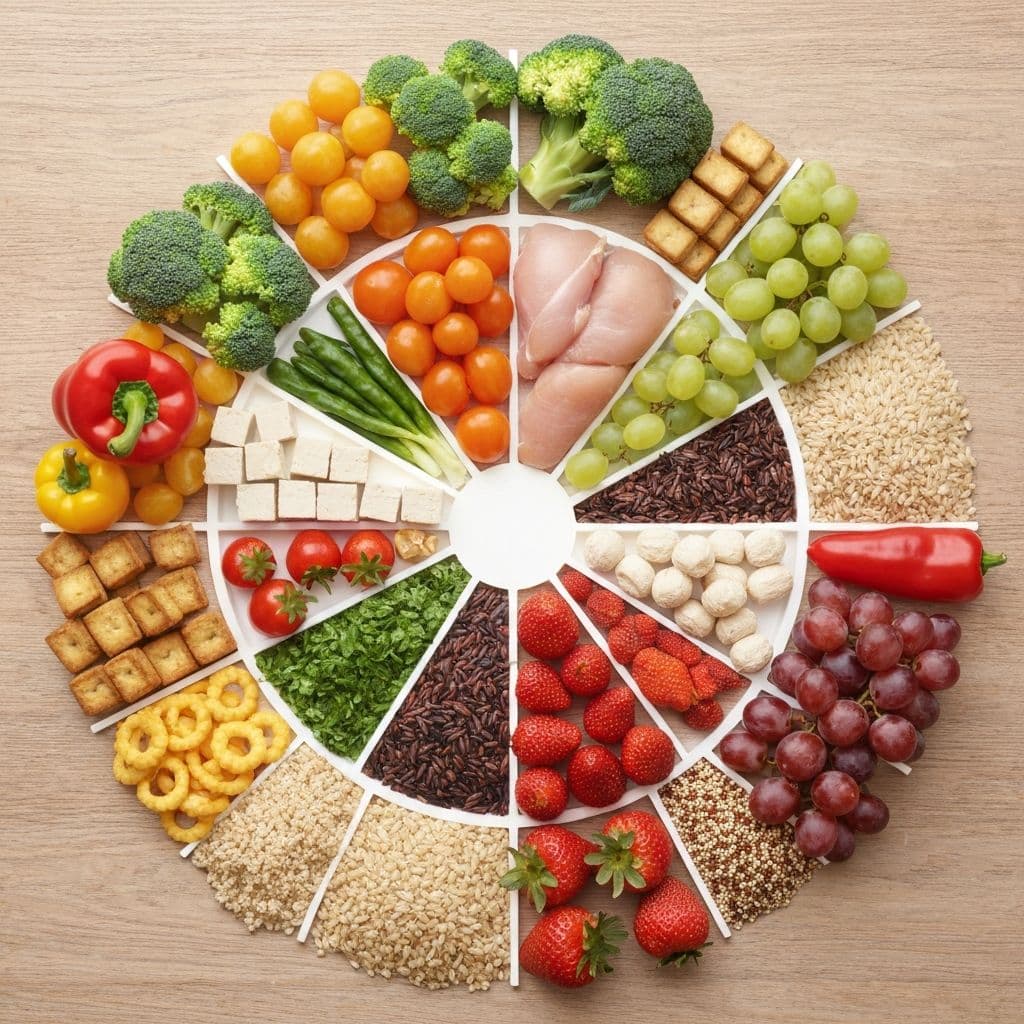
Explore what key food circular means in nutrition, meal planning strategies, and how to build balanced, sustainable dietary patterns.
Key Food Circular: Understanding Nutrition and Sustainable Eating
Introduction
The concept of a key food circular has emerged as a fundamental framework in modern nutrition science and dietary planning. Understanding what key food circular represents—and how to implement it in your daily life—can transform your approach to nutrition and overall health. A key food circular system emphasizes rotating through diverse food groups, creating a balanced intake of nutrients throughout the week or month. This comprehensive guide explores the key food circular concept, its nutritional benefits, and practical strategies for implementation.
Table of Contents
- Understanding Key Food Circular
- Components of the Food Circular
- Benefits of Circular Eating
- Building Your Food Circular
- Key Food Groups
- Weekly Planning with Food Circular
- Practical Implementation
- Common Mistakes
- FAQs
- Conclusion
Understanding Key Food Circular {#understand}
Defining the Concept
A key food circular represents a systematic approach to nutrition where foods are rotated through different categories to ensure comprehensive nutrient intake. Unlike restrictive diets, a key food circular encourages dietary diversity and sustainability.
Core Principles:
- Rotation prevents nutrient gaps
- Variety ensures comprehensive nutrition
- Sustainability promotes long-term adherence
- Balance supports overall health
- Flexibility accommodates preferences
Historical Context
The key food circular concept builds upon decades of nutritional research. Pioneers in nutrition science recognized that varying food intake prevented deficiencies while maximizing nutrient absorption.
Modern Applications:
Today's key food circular frameworks guide:
- Meal planning professionals
- Nutritionists and dietitians
- Health coaches and wellness programs
- Corporate nutrition initiatives
- Family dietary planning
Components of the Food Circular {#components}
The Five Major Food Circular Segments
Most key food circular models divide nutrition into five essential categories:
1. Proteins and Legumes
- Animal sources (meat, poultry, fish)
- Plant-based options (beans, lentils, tofu)
- Dairy and eggs
- Nuts and seeds
2. Grains and Carbohydrates
- Whole grains (brown rice, quinoa, oats)
- Starchy vegetables (potatoes, sweet potatoes)
- Bread and cereals
- Pasta and rice varieties
3. Vegetables
- Leafy greens
- Cruciferous vegetables
- Root vegetables
- Colorful varieties
4. Fruits
- Berries
- Citrus fruits
- Stone fruits
- Tropical varieties
5. Fats and Oils
- Healthy oils (olive, coconut)
- Nuts and seeds
- Avocados
- Fish and omega-3 sources
Benefits of Circular Eating {#benefits}
Comprehensive Nutrient Coverage
A key food circular ensures you don't miss essential nutrients through strategic rotation.
Nutritional Advantages:
- Micronutrient Diversity: Different foods provide unique vitamins and minerals
- Complete Amino Acid Profiles: Rotating proteins ensures all amino acids
- Adequate Fiber: Variety in carbohydrates supports digestive health
- Antioxidant Variety: Different colored foods provide varied phytonutrients
- Mineral Balance: Rotating sources prevents imbalances
Sustainable Health Outcomes
Unlike restrictive diets, a key food circular supports long-term adherence.
Why Key Food Circular Sustains:
- Psychological satisfaction from variety
- Freedom from food restrictions
- Flexibility for social situations
- Enjoyment of diverse flavors
- Adaptation to seasonal availability
- Cultural food integration
Digestive Health Benefits
Rotating foods prevents digestive system overload and supports beneficial gut bacteria.
Digestive Advantages:
- Prevents food sensitivities from overexposure
- Supports diverse gut microbiome
- Maintains healthy digestion
- Reduces inflammation
- Improves nutrient absorption efficiency
Building Your Food Circular {#building}
Creating a Personal Food Circular
Developing a key food circular tailored to your preferences and needs is straightforward.
Step 1: Assess Your Preferences
List foods you genuinely enjoy from each circular segment:
- Proteins you love
- Grains you prefer
- Vegetables you'll actually eat
- Fruits you enjoy
- Healthy fats you tolerate
Step 2: Identify Nutritional Needs
Consider your specific nutritional requirements:
- Age-related needs
- Activity level demands
- Health conditions
- Dietary restrictions
- Allergies or sensitivities
Step 3: Map Weekly Rotation
Arrange foods in rotation patterns:
- Different protein sources each dinner
- Varied vegetables throughout the week
- Alternating grain types
- Diverse fruits as snacks
- Rotating healthy fat sources
Key Food Groups {#food-groups}
Protein Selection in Key Food Circular
Rotating protein sources ensures complete amino acid intake and nutrient diversity.
Weekly Protein Rotation:
Monday: Chicken breast (lean protein, B vitamins) Tuesday: Lentils (plant protein, fiber, iron) Wednesday: Salmon (omega-3 fatty acids, vitamin D) Thursday: Beef (iron, B12, zinc) Friday: Tofu (plant protein, calcium, versatility) Saturday: Turkey (lean, selenium, B vitamins) Sunday: Fish alternative (varied fish provides unique nutrients)
Vegetable Variety in the Circular
Vegetable diversity provides comprehensive phytonutrient coverage.
Vegetable Classification:
Dark Leafy Greens:
- Spinach
- Kale
- Collard greens
- Swiss chard
Cruciferous Vegetables:
- Broccoli
- Cauliflower
- Brussels sprouts
- Cabbage
Orange/Red Vegetables:
- Carrots
- Bell peppers
- Tomatoes
- Squash
Grain Rotation
Varying grain types prevents sensitivities while providing diverse nutrients.
Grain Circulation Pattern:
- Monday: Brown rice (manganese, fiber)
- Tuesday: Oats (beta-glucans, sustained energy)
- Wednesday: Quinoa (complete protein, minerals)
- Thursday: Whole wheat pasta (B vitamins)
- Friday: Sweet potato (vitamin A, potassium)
Weekly Planning with Food Circular {#weekly}
Sample Key Food Circular Weekly Menu
This example demonstrates a practical implementation:
Monday:
- Breakfast: Oatmeal with berries
- Lunch: Brown rice and chicken with spinach
- Dinner: Grilled salmon, quinoa, broccoli
Tuesday:
- Breakfast: Whole grain toast with avocado
- Lunch: Lentil soup with vegetables
- Dinner: Turkey meatballs, whole wheat pasta, tomato sauce
Wednesday:
- Breakfast: Greek yogurt with granola and fruit
- Lunch: Sweet potato with black beans and peppers
- Dinner: Baked white fish, wild rice, roasted carrots
Thursday:
- Breakfast: Smoothie with spinach, banana, protein powder
- Lunch: Quinoa salad with mixed vegetables
- Dinner: Lean beef with roasted vegetables and sweet potato
Friday:
- Breakfast: Whole grain pancakes with berries
- Lunch: Tofu stir-fry with brown rice and mixed vegetables
- Dinner: Chicken, farro, roasted Brussels sprouts
Practical Implementation {#implementation}
Shopping Strategy for Key Food Circular
Efficient shopping supports successful implementation.
Shopping Organization:
- Plan Weekly Meals: Reference your key food circular before shopping
- Create Organized Lists: Group by store section
- Buy Diverse Colors: Ensure variety in produce
- Stock Staples: Maintain basic pantry items
- Buy Seasonal: Supports sustainability and nutrition
- Prep Ahead: Cut vegetables, cook grains in bulk
Meal Preparation with Key Food Circular
Batch preparation makes weekly rotation manageable.
Preparation Strategy:
Sunday Prep Session:
- Cook 3-4 different proteins
- Roast seasonal vegetables
- Prepare multiple grain types
- Portion into containers
- Store appropriately
Benefits of Prep:
- Ensures adherence throughout week
- Prevents unhealthy substitutions
- Saves daily time
- Maintains food freshness
- Supports portion control
Common Mistakes {#mistakes}
Mistake 1: Lack of Planning
Without structured key food circular planning, people revert to familiar patterns.
Solution: Spend 30 minutes weekly planning your rotation schedule.
Mistake 2: Ignoring Preferences
Forcing foods you dislike defeats the sustainability principle.
Solution: Build your key food circular around foods you genuinely enjoy.
Mistake 3: Insufficient Variety
Rotating among only 5-6 foods misses key food circular benefits.
Solution: Aim for 15-20 different foods weekly across all categories.
Mistake 4: Neglecting Seasonal Changes
Ignoring seasonal availability reduces nutrition and increases costs.
Solution: Adjust key food circular quarterly with seasonal produce.
FAQs {#faqs}
Q: How quickly should I rotate foods in a key food circular?
A: Daily rotation of proteins works well, while other foods can rotate weekly. Find a rhythm that matches your preferences and schedule.
Q: Can I repeat foods in a key food circular?
A: Absolutely. You can enjoy favorite foods multiple times weekly; the key is varying them within the circular framework.
Q: Is a key food circular suitable for restricted diets?
A: Yes. Adapt the framework to exclude restricted foods while maintaining circular rotation among permitted options.
Q: How does a key food circular support weight management?
A: Variety and rotation maintain satiety and prevent overeating of any single food, supporting natural portion control.
Conclusion
A key food circular represents a practical, sustainable approach to nutrition that emphasizes variety, balance, and long-term adherence. By systematically rotating through diverse foods within each nutritional category, you ensure comprehensive nutrient intake while maintaining psychological satisfaction. The key food circular concept transcends restrictive dieting, instead promoting a flexible framework that accommodates personal preferences, cultural foods, and seasonal availability. Implement these key food circular strategies by starting with simple weekly rotations and gradually expanding your food variety. With commitment to rotating your protein sources, vegetables, grains, and healthy fats, you'll experience improved energy, better digestion, and sustained health outcomes. Begin building your personalized key food circular today and discover how dietary rotation transforms your relationship with food and health.