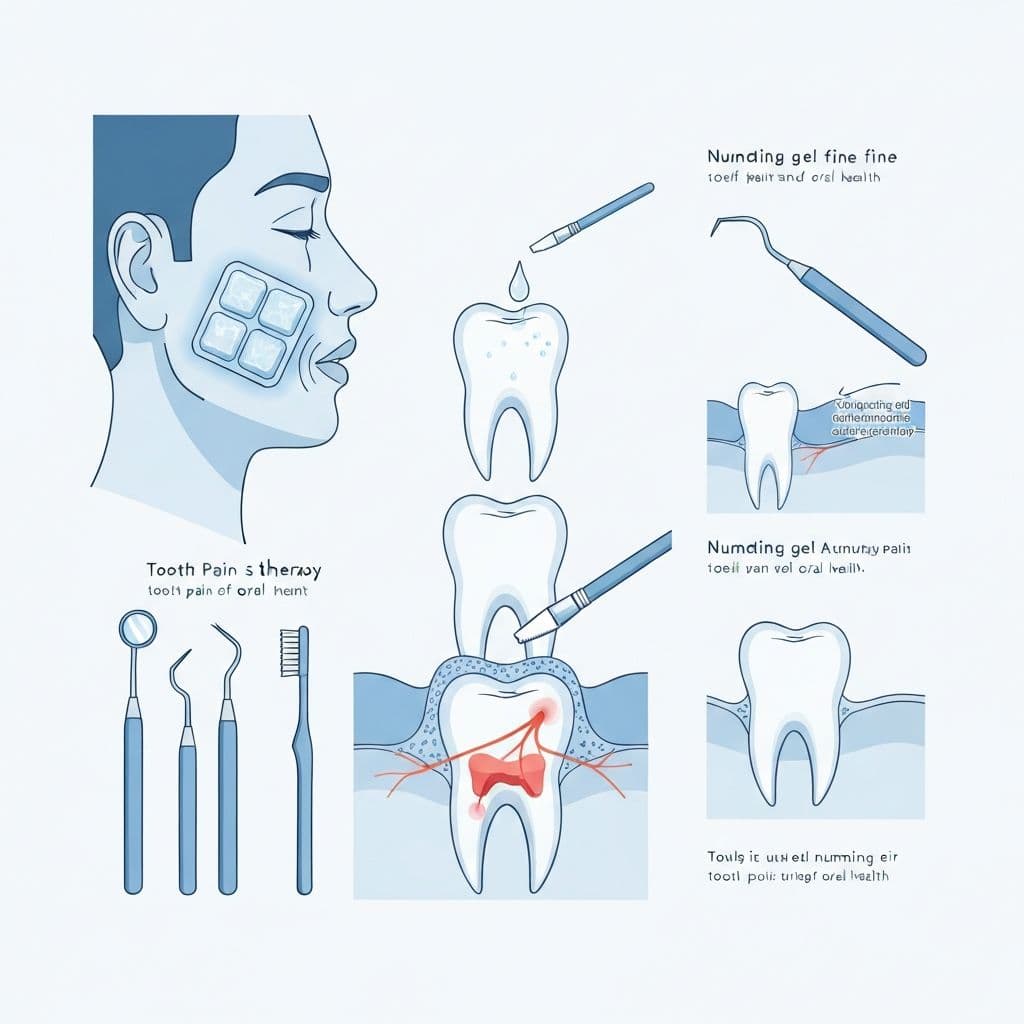
Discover fast relief methods for severe tooth pain including numbing techniques, home remedies, and dental solutions to stop nerve pain quickly.
Kill Tooth Pain Nerve In 3 Seconds Permanently: Fast Relief Methods
Tooth pain is one of the most intense sensations a person can experience. When your tooth nerve becomes inflamed or infected, the pain can be unbearable and interfere with your daily activities, sleep, and quality of life. While the promise of killing tooth pain nerve in 3 seconds requires understanding realistic expectations, there are indeed rapid-acting techniques and treatments that can provide substantial relief within seconds to minutes. This comprehensive guide explores evidence-based methods to achieve fast tooth pain relief and address underlying causes.
Dental pain stems from inflammation of the pulpthe nerve-rich center of your toothor irritation of the nerve endings surrounding it. Understanding the cause of your tooth pain is crucial for selecting the most effective treatment. Whether you're seeking immediate relief or long-term solutions, this guide provides practical strategies backed by dental science.
Table of Contents
- Understanding Tooth Nerve Pain
- Rapid Relief Techniques
- Topical Numbing Methods
- Home Remedies for Fast Relief
- Over-the-Counter Medications
- Professional Dental Treatments
- Permanent Solutions
- Prevention Strategies
- When to Seek Emergency Care
- FAQs
- Conclusion
Understanding Tooth Nerve Pain
Causes of Tooth Nerve Pain
Tooth pain originates from various dental issues:
Pulp inflammation (Pulpitis): When the tooth pulp becomes inflamed from decay, trauma, or infection, it triggers severe pain that may feel like throbbing or constant aching.
Dental decay: Cavities expose the sensitive dentin layer, causing sharp pain when exposed to temperature changes or pressure.
Gum disease: Bacterial infections in gum tissue create inflammation that radiates to nearby teeth and nerves.
Tooth fracture: Cracks or breaks expose nerve endings, causing immediate sharp pain.
Exposed root surfaces: Recessed gums expose the root surface, which lacks protective enamel and contains sensitive nerve endings.
Post-procedure sensitivity: After dental work, temporary nerve inflammation can cause lingering discomfort.
Pain Transmission Mechanism
Understanding how tooth pain develops helps explain why certain relief methods work:
- Pain stimulus activates nerve endings
- Signals travel through the trigeminal nerve to the brain
- The brain processes signals and interprets them as pain
- Relief occurs when the pain signal transmission is interrupted
Rapid relief methods work by either blocking pain signals, reducing inflammation, or numbing the affected areaprocesses that can happen within seconds to minutes.
Rapid Relief Techniques
Cold Therapy Method
Cold numbs nerve endings almost instantly, making it one of the fastest pain relief methods.
Application steps:
- Wrap ice in a clean cloth (never apply ice directly to teeth)
- Hold the ice pack against your cheek for 15-20 seconds
- Remove and wait 30 seconds before reapplying
- Repeat for 2-3 minutes
- Relief should occur within the first 15-30 seconds
Why it works: Cold decreases nerve conduction speed, temporarily interrupting pain signals. The numbing sensation occurs rapidly as blood vessels constrict.
Caution: Don't apply ice directly to the tooth or gum, as extreme cold can damage tissue. Use it externally on the cheek.
Pressure Application
Applying pressure to the painful area can provide surprisingly quick relief.
Technique:
- Bite down gently on a cold, damp cloth
- Apply gentle, steady pressure with your finger on the affected tooth
- Hold for 30-60 seconds
- Relief often occurs within 10-15 seconds
Mechanism: Pressure stimulates nerve fibers that compete with pain signals (gate control theory of pain), blocking pain transmission to the brain.
Breathing Techniques
Controlled breathing activates the parasympathetic nervous system, reducing pain perception within seconds.
Quick relief breathing:
- Breathe in slowly through your nose for a count of 4
- Hold for a count of 4
- Exhale slowly through your mouth for a count of 6
- Repeat 5-10 times
- Pain often decreases within 30 seconds to 1 minute
Why effective: Deep breathing reduces stress hormones that amplify pain perception and activates natural pain-relief mechanisms.
Topical Numbing Methods
Benzocaine-Based Products
Over-the-counter topical anesthetics provide rapid numbing, with effects often noticeable within 3-5 seconds.
Available products:
- Orajel (benzocaine 20%)
- Anbesol
- Topex
- Hurricaine
Application method:
- Dry the affected tooth and surrounding area
- Apply a small amount directly to the painful tooth or gum
- Allow 30-60 seconds for maximum numbing
- Effects typically last 1-2 hours
Rapid action: Benzocaine works within seconds by blocking sodium channels in nerve fibers, preventing pain signal transmission.
Important notes: Don't use for extended periods, and don't exceed product recommendations. These provide temporary relief, not permanent solutions.
Clove Oil Application
Clove oil contains eugenol, a natural anesthetic used in dental care for centuries.
Application steps:
- Soak a cotton ball in clove oil
- Place directly on the affected tooth
- Hold for 1-2 minutes
- Numbing sensation begins within 30-60 seconds
- Effects last 30 minutes to 1 hour
Why it works: Eugenol penetrates tissue and blocks pain signals while reducing inflammation.
Precaution: Use pure clove oil, not clove-scented products. Don't use excessively, as it can irritate tissues.
Salt Water Rinse
While slightly slower than topical anesthetics, salt water provides quick relief within 1-2 minutes.
Preparation:
- Mix 1/2 teaspoon salt in 8 ounces warm water
- Rinse thoroughly for 30-60 seconds
- Let the solution sit on the affected area
- Pain relief often occurs within 1-2 minutes
- Repeat every 2-3 hours
Benefits: Reduces inflammation, kills bacteria, and promotes healing while providing relief.
Home Remedies for Fast Relief
Hydrogen Peroxide Rinse
Hydrogen peroxide acts as an antimicrobial and pain reliever.
Method:
- Mix equal parts 3% hydrogen peroxide and warm water
- Rinse for 30-60 seconds
- Spit outdo not swallow
- Relief occurs within 1-2 minutes
- Use 2-3 times daily
Garlic Paste
Garlic contains allicin, a powerful antimicrobial and anti-inflammatory compound.
Application:
- Crush 2-3 garlic cloves
- Apply paste directly to the affected tooth
- Hold for several minutes
- Relief begins within 2-3 minutes
- Wash thoroughly to avoid irritation
Peppermint Tea Bag
Peppermint has numbing and antibacterial properties.
Instructions:
- Steep a peppermint tea bag in hot water for 3 minutes
- Cool slightly, then bite down on the tea bag directly on the painful tooth
- Hold for 20-30 minutes
- Relief occurs gradually within 10-15 minutes
- The cooling sensation provides additional relief
Turmeric Paste
Turmeric is a potent anti-inflammatory with pain-relieving properties.
Preparation:
- Mix turmeric powder with a small amount of coconut oil
- Apply to the affected area
- Let sit for 10-15 minutes
- Relief begins within 5-10 minutes
- Repeat 2-3 times daily
Over-the-Counter Medications
Ibuprofen for Rapid Relief
Ibuprofen is an anti-inflammatory that reduces pain by decreasing swelling around the nerve.
Fast-acting approach:
- Take 200-400mg every 4-6 hours
- For faster absorption, use liquid gel capsules
- Relief typically occurs within 15-30 minutes
- Effects last 4-6 hours
Advantage: Addresses the root cause (inflammation) rather than just numbing.
Naproxen Sodium
Naproxen works similarly to ibuprofen but with longer-lasting effects.
Dosing:
- 220mg every 8-12 hours
- First dose often provides relief within 20-30 minutes
- Effects can last up to 12 hours
Acetaminophen
While not an anti-inflammatory, acetaminophen can relieve tooth pain.
Dosing:
- 325-650mg every 4-6 hours
- Maximum 3000-4000mg daily
- Relief occurs within 20-30 minutes
Note: Less effective for inflammatory pain than NSAIDs.
Combination Approach
Some dentists recommend combining medications for enhanced effect:
- Ibuprofen 400mg + Acetaminophen 650mg every 4-6 hours
- Take with food to prevent stomach irritation
- Consult your dentist before combining medications
Professional Dental Treatments
Root Canal Therapy (Permanent Solution)
Root canal treatment eliminates nerve pain permanently by removing the inflamed pulp.
Process:
- Dentist anesthetizes the tooth completely
- Removes the diseased pulp tissue
- Cleans and shapes the root canal
- Fills the canal with biocompatible material
- Seals the access opening
Relief timeline: Full relief occurs immediately upon completion, as the pain-causing nerve has been removed.
Success rate: 90-95% effective for permanent pain elimination.
Pulp Capping
For recently exposed pulps, pulp capping can preserve tooth vitality.
Procedure:
- Applies medicinal compound to exposed pulp
- Promotes healing and sealing
- Reduces inflammation rapidly
- Relief occurs within 24-48 hours
- Success depends on infection absence
Emergency Nerve Desensitization
Dentists can apply desensitizing agents that block pain transmission within minutes.
Methods:
- Fluoride gel application
- Bonding resin placement
- Laser therapy
- Relief often occurs within 15-30 minutes
Extraction (Last Resort)
For severely damaged teeth with irreversible pulp inflammation, extraction provides permanent relief.
Timeline: Immediate relief upon removal of the tooth, though jaw pain continues temporarily.
Permanent Solutions
Root Canal Therapy
The most successful permanent solution for tooth nerve pain.
Why it works permanently:
- Removes the entire pulp and nerve tissue
- Eliminates the source of pain
- Seals the tooth to prevent reinfection
- Success rate: 90-95%
- Once completed, the tooth cannot cause nerve pain again
Cost: $500-2000 depending on complexity and location.
Tooth Extraction
For hopeless teeth, extraction eliminates the pain source permanently.
Considerations:
- Permanent tooth loss
- Requires replacement (implant, bridge, or partial)
- Initial healing takes 7-14 days
- Full healing takes several months
- Once healed, no more pain from that tooth
Preventive Restorations
Addressing decay early prevents nerve damage:
- Fillings for small cavities
- Crowns for structural damage
- Cost: $200-1500
- Prevention is more cost-effective than treatment
Prevention Strategies
Oral Hygiene Practices
Daily routine:
- Brush twice daily with fluoride toothpaste
- Floss daily to remove interdental bacteria
- Use mouthwash for additional antimicrobial protection
- Replace toothbrush every 3 months
Dietary Modifications
Foods to avoid:
- Excessive sugar consumption
- Acidic beverages (soda, citrus juices)
- Hard candies and nuts
- Hot and cold foods if you have sensitivity
Protective foods:
- Calcium-rich dairy products
- Phosphorus-rich meats and nuts
- Water instead of sugary drinks
Professional Care
Preventive measures:
- Dental checkups every 6 months
- Professional cleanings to remove tartar
- Early decay detection and treatment
- Fluoride treatments if high cavity risk
- Sealants on vulnerable chewing surfaces
Protective Habits
- Wear a mouthguard during sports
- Avoid using teeth as tools
- Don't chew ice or hard objects
- Manage teeth grinding with a night guard
- Limit acidic food and drink exposure
When to Seek Emergency Care
Seek Immediate Dental Attention If:
- Pain persists longer than 3 days
- Swelling appears in the jaw, face, or neck
- Fever accompanies tooth pain
- Difficulty swallowing or breathing
- Pus or discharge from the tooth or gum
- Severe pain unrelieved by medication
- Recent trauma to the tooth
- Signs of infection spreading
Signs of Serious Infection:
- Rapid facial swelling
- High fever (above 101°F)
- Difficulty opening mouth
- Swollen lymph nodes
- General malaise or weakness
- These symptoms warrant emergency room evaluation
FAQs
Q: Can tooth pain nerve really be killed in 3 seconds?
A: Complete relief within 3 seconds is unrealistic for most situations. However, topical anesthetics and cold therapy can provide noticeable numbing within 3-15 seconds. Full pain relief typically takes 1-5 minutes with these methods. Permanent elimination requires professional dental treatment like root canals.
Q: How long do home remedies last?
A: Home remedies typically provide relief for 30 minutes to 2 hours, depending on the method and severity of pain. Repeated applications may be necessary. For lasting relief, professional treatment is recommended.
Q: Is it better to use ice or heat for tooth pain?
A: Ice is generally more effective for acute tooth pain as it numbs nerve endings. Heat may feel soothing temporarily but can increase inflammation. Use ice for acute pain; heat is better for muscle tension-related jaw pain.
Q: Can I prevent tooth pain permanently?
A: Yes. Proper oral hygiene, regular dental checkups, early cavity treatment, and protective habits significantly reduce tooth pain risk. Most tooth pain results from preventable decay or gum disease.
Q: When should I see a dentist for tooth pain?
A: See a dentist immediately if pain persists more than a few days, accompanies swelling or fever, or results from trauma. Don't wait for infection to spread or complications to develop.
Q: Are over-the-counter treatments enough?
A: OTC treatments provide temporary relief but don't address underlying causes like deep decay or infection. They're suitable for minor sensitivity but inadequate for serious dental problems.
Conclusion
While killing tooth pain nerve instantly in literally 3 seconds isn't realistically possible for most situations, multiple evidence-based methods can provide rapid relief within seconds to minutes. Cold therapy, topical anesthetics, pressure application, and breathing techniques offer immediate temporary relief, while over-the-counter anti-inflammatory medications address underlying inflammation.
However, true permanent relief from tooth nerve pain requires professional dental intervention. Root canal therapy stands as the gold standard for permanent elimination of nerve pain, with success rates exceeding 90%. For prevention-focused individuals, maintaining excellent oral hygiene, limiting decay-causing behaviors, and attending regular dental checkups significantly reduce the likelihood of experiencing severe tooth pain.
Remember that persistent tooth pain always warrants professional evaluation. What seems like a minor issue can develop into serious infection if left untreated. By combining immediate relief techniques with prompt professional care, you can manage tooth pain effectively and restore your quality of life.