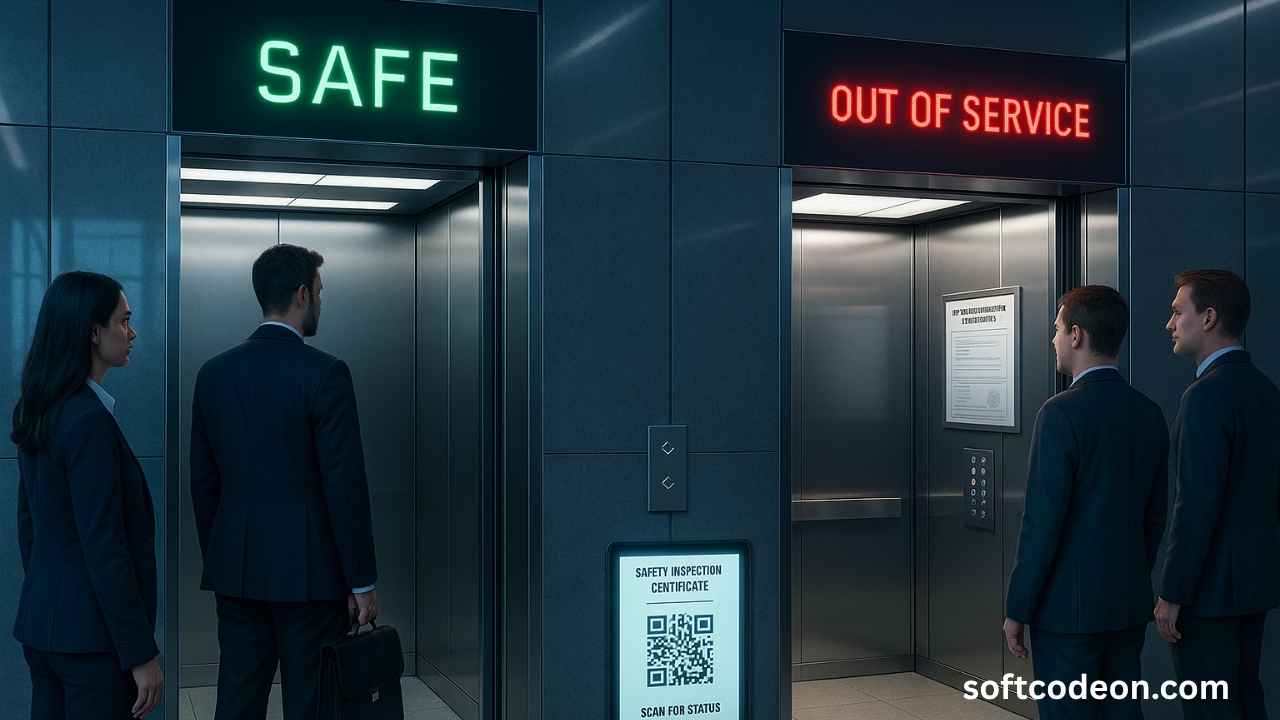
Discover essential lift safety indicators and how to recognize signs that an elevator is safe to use. Learn about maintenance alerts, weight limits, and inspection certificates.
Introduction
Elevators are one of the most commonly used mechanical systems in modern buildings, yet many people don't understand the critical safety indicators that tell us when a lift is safe to use. Every day, millions of people trust elevators to transport them safely between floors, but few know what to look for to ensure they're boarding a properly maintained and inspected lift. This comprehensive guide will help you understand the essential signs and indicators that demonstrate an elevator has been properly maintained, inspected, and certified for safe operation.
Elevator safety is not left to chance. Regulatory bodies worldwide enforce strict maintenance schedules and inspection protocols to ensure that every lift operating in public spaces meets rigorous safety standards. Understanding these signs not only helps you make informed decisions about whether to use a particular elevator but also gives you confidence that building managers and maintenance teams are taking safety seriously.
Understanding Elevator Safety Standards
What Determines Lift Safety?
Elevator safety depends on multiple factors working together in harmony. The mechanical components must function flawlessly, the electrical systems must operate reliably, and the control systems must respond appropriately to any emergency. Regulatory agencies across different countries have established comprehensive standards to ensure elevators meet these requirements consistently.
The key aspects of elevator safety include:
- Structural integrity: The lift car, cables, and frame must be in perfect condition
- Mechanical systems: Brakes, pulleys, and counterweights must function properly
- Electrical systems: Motors, switches, and safety circuits must be operational
- Control systems: Door sensors, emergency buttons, and alarm systems must work correctly
- Regular maintenance: Professional technicians must service the elevator at prescribed intervals
- Routine inspections: Qualified inspectors must examine the lift regularly
Regulatory Bodies and Certification
Different countries have established their own regulatory frameworks for elevator safety. In the United States, the American Society of Mechanical Engineers (ASME) sets standards through their A17 series of codes. In Europe, the Lift Directive (2014/33/EU) establishes requirements for all member states. These organizations work to harmonize safety standards globally while allowing for regional variations.
Building owners and lift operators must comply with these standards or face significant penalties, which means they have strong incentives to maintain their elevators properly and display proof of compliance.
The Most Important Safety Sign: The Inspection Certificate
What Is an Inspection Certificate?
The most critical sign that a lift is safe to use is the current inspection certificate, typically displayed inside the elevator car near the control panel. This official document proves that a qualified, licensed inspector has examined the elevator and confirmed it meets all safety standards. The certificate acts as a legal document that protects both the building owner and the elevator users.
A valid inspection certificate indicates that:
- A qualified, licensed inspector performed a comprehensive examination
- The elevator passed all required safety tests
- All components are functioning within acceptable parameters
- The lift is legally permitted to operate
- Recent maintenance has been completed
How to Read an Inspection Certificate
When you enter an elevator, take a moment to locate and examine the inspection certificate. Here's what to look for:
Expiration Date: This is the most critical information. The certificate must be current. Dates vary by jurisdictiontypically annual inspections are required, though some jurisdictions allow biennial inspections for certain elevator types. If today's date is past the expiration date, the lift should not be in operation.
Inspector Information: The certificate should identify the licensed elevator inspector who performed the inspection. This person has undergone specialized training and certification to perform these inspections.
Building Address: The certificate must match the building's location and the specific elevator being inspected.
Inspection Date: This shows when the examination took place.
Inspection Results: The certificate should indicate "PASSED" or show that the elevator met all requirements.
Official Seal or Signature: A licensed inspector's seal or signature authenticates the document.
Additional Safety Indicators Inside the Elevator
Emergency Communication Systems
A properly functioning elevator must have a working emergency communication system. Look for a phone button or intercom system clearly marked inside the car. When you press this button, you should hear a connection being established with either emergency services or a building monitoring center. A functional emergency phone indicates that help can be summoned immediately if something goes wrong.
The presence and functionality of this system is verified during inspections, so its presence is another reassuring sign that the lift has been recently checked.
Alarm Bell and Emergency Button
Every elevator must have clearly marked emergency buttons and alarm bells. These should be accessible, well-lit, and easy to identify. The emergency alarm should produce a loud, distinct sound that alerts building management to an emergency situation.
The fact that these systems are present, clearly labeled, and functioning properly indicates that:
- The elevator car has been properly equipped per code
- The electrical systems work correctly
- Recent inspections have verified these safety features
Door Safety Features
Modern elevators have sophisticated door safety systems. Look for:
- Door sensors: Prevent the doors from closing on passengers
- Door reopening buttons: Allow passengers to reopen closing doors
- Audible warnings: Announce when doors are about to close
- Visual indicators: Show door status and floor location
The presence of functioning door safety features indicates recent maintenance and inspection.
Maintenance Records and Building Management
Access to Maintenance Information
While not every elevator displays detailed maintenance records on its doors, responsible building management should be able to provide this information upon request. Some buildings post maintenance schedules indicating when service visits occur.
Regular maintenance visits are essential for safety. Typical maintenance schedules include:
- Monthly: Lubrication and minor adjustments
- Quarterly: Thorough inspections of all components
- Semi-annually: Deep cleaning and detailed testing
- Annually: Comprehensive inspection by licensed technician
- Special maintenance: As needed when problems are identified
Evidence of Recent Maintenance
Some maintenance teams use small tags or labels to indicate when service was last performed. While these aren't official safety certifications, their presence suggests active maintenance.
Weight Limit Signage
Understanding Weight Capacity
Every elevator must display its maximum weight capacity, typically posted near the door or inside the car. This sign shows:
- Maximum number of people typically allowed
- Maximum weight in pounds or kilograms
- Emergency contact information
The presence of this clearly visible signage is a safety indicator because it's required by code and only maintained in actively managed, properly inspected elevators.
Why Weight Limits Matter
Weight capacity isn't arbitraryit's calculated based on the strength of the cables, the power of the motor, and the structural capacity of the car. Exceeding this limit puts extreme stress on the system and can lead to failure. The fact that this limit is displayed and the building enforces it indicates proper safety management.
Visual Condition of the Elevator
What a Well-Maintained Lift Looks Like
While not an official inspection sign, the general condition of an elevator provides clues about safety management:
Clean interior: Regular cleaning indicates regular maintenance Functioning lights: All lights should work, including emergency lighting No unusual odors: Burnt smells or chemical odors can indicate electrical problems Smooth operation: The ride should be smooth without jerking or unusual sounds Responsive controls: Buttons should register immediately No visible damage: Walls and doors shouldn't show significant damage or deterioration
Buildings that invest in cleanliness and appearance typically also invest in proper maintenance and safety.
Red Flags: Signs That a Lift May NOT Be Safe
When to Avoid Using an Elevator
Don't use an elevator if you notice:
- Expired or missing inspection certificate: This is the most critical red flag
- Non-functioning emergency phone or alarm: Creates communication problems in emergencies
- Broken lights or emergency lighting: Indicates poor maintenance
- Unusual sounds or movement: Grinding, squealing, or jerking motions suggest mechanical problems
- Visible damage or debris: Shows lack of proper care
- Error messages on display: Indicates system malfunctions
- Doors not opening or closing properly: This is a critical safety issue
- No visible weight limit sign: Suggests the elevator isn't being properly managed
If you observe these conditions, inform building management immediately and use the stairs instead.
Recent Technological Advancements in Elevator Safety
Smart Elevator Systems
Modern buildings increasingly use smart elevator systems that continuously monitor safety parameters. These systems can:
- Track operational data in real-time
- Alert maintenance teams to potential problems immediately
- Provide predictive maintenance recommendations
- Document all maintenance activities digitally
- Enable remote diagnostics
Buildings with these systems often display notices indicating they use smart monitoring, which is another positive safety indicator.
Remote Monitoring and Emergency Response
Some modern elevators use cloud-based systems to monitor thousands of lifts across multiple buildings. If a problem is detected, the system can:
- Alert qualified technicians automatically
- Provide specific diagnostic information
- Prevent the elevator from operating if a safety issue is found
- Track passengers in the car for emergency response
What Building Owners Must Do
Legal Responsibilities
Building owners and property managers have legal obligations regarding elevator safety:
- Regular inspections: Schedule and pay for inspections at required intervals
- Professional maintenance: Hire certified elevator maintenance companies
- Record keeping: Maintain detailed records of all inspections and maintenance
- Signage: Display current inspection certificates and safety information
- Repairs: Address any identified issues promptly
- Compliance: Meet or exceed all regulatory requirements
Failure to meet these obligations can result in:
- Fines and penalties
- Legal liability if someone is injured
- Shutdown orders that prevent elevator use
- Damage to building reputation and property value
Practical Tips for Elevator Users
How to Verify Elevator Safety
When using an elevator, especially in an unfamiliar building:
- Locate the inspection certificate: Look for it near the control panel
- Check the expiration date: Ensure it's current
- Examine the condition: Notice cleanliness and lighting
- Test emergency systems: Verify phone and alarm are present
- Look for weight signs: Confirm safety information is posted
- Trust your instincts: If something feels wrong, use the stairs
Building a Safety Culture
If you manage a building or own property with elevators:
- Schedule maintenance visits consistently
- Don't postpone inspections or repairs
- Keep inspection certificates prominently displayed
- Communicate maintenance activities to building occupants
- Report problems immediately
- Choose reputable, certified maintenance companies
- Stay updated on code changes and requirements
Conclusion
The most important sign that a lift is safe to use is the current, valid inspection certificate displayed inside the elevator car. This document proves that a qualified inspector has examined the elevator and confirmed it meets all safety standards. However, other indicators also matter: functioning emergency communication systems, clear safety signage, well-maintained appearance, and responsive controls all suggest proper maintenance and safety management.
Elevator safety is a shared responsibility among building owners, maintenance professionals, inspectors, and users. By understanding these safety signs and indicators, you can confidently use elevators knowing they've been properly maintained and inspected. If you ever encounter an elevator without a current inspection certificate or notice safety concerns, inform building management immediately and use an alternative route.
Trust the systems that are in place, but remain observant. Your awareness of these critical safety indicators helps ensure not just your own safety, but the safety of everyone using the building's elevators.