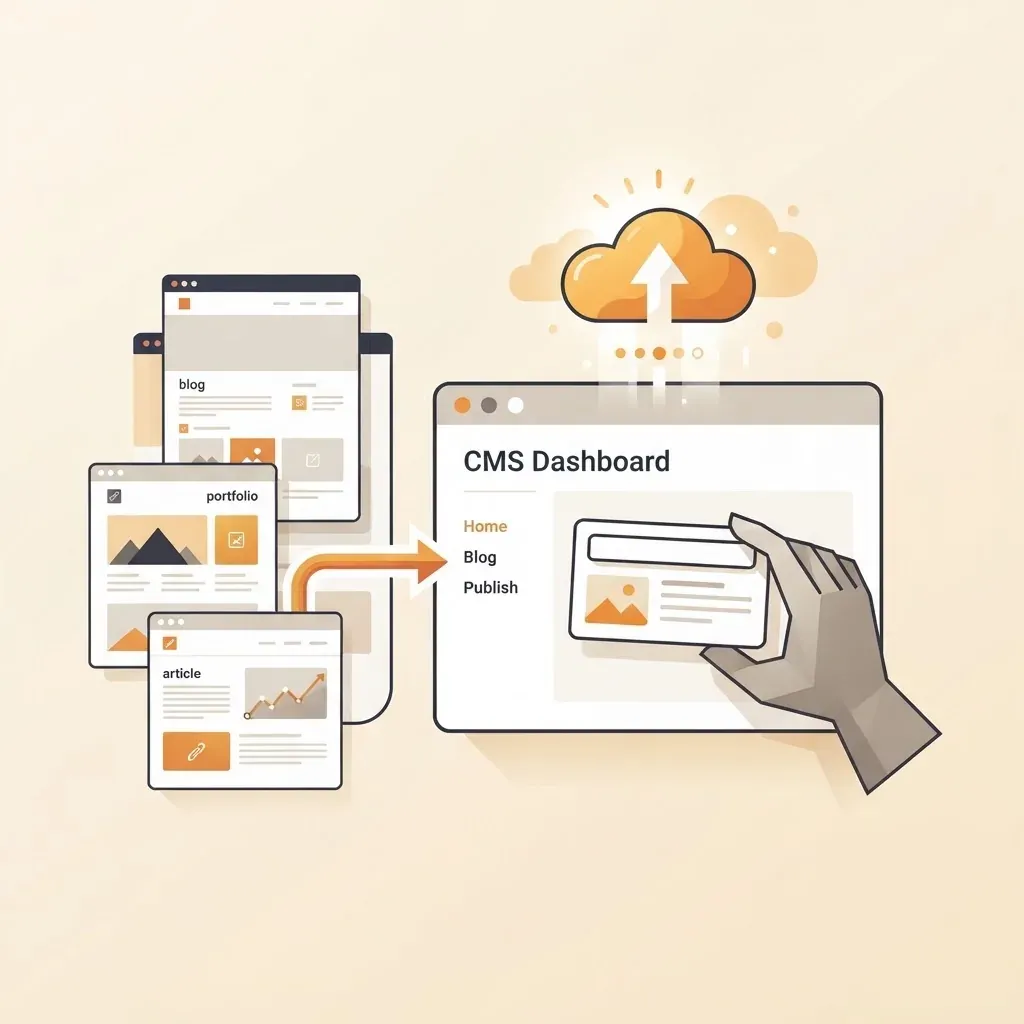
Understand what website posting means, the main types, and step-by-step best practices for publishing content that ranks, earns links, and drives traffic in 2026.
Last updated: July 17, 2026
Introduction
Website posting is the practice of publishing content, whether articles, listings, profiles, or comments, on websites to build visibility, earn backlinks, and drive traffic. It is one of the oldest tactics in digital marketing, and it still works in 2026 when done thoughtfully. The difference between website posting that helps and website posting that hurts comes down to quality, relevance, and intent.
This guide explains the main types of website posting, how each supports your goals, and the best practices that keep your efforts aligned with Google's helpful content principles.
Table of Contents
- What website posting means today
- The main types of website posting
- Why website posting still matters
- Best practices for content that ranks
- How to choose quality posting sites
- Website posting mistakes to avoid
- Building a repeatable posting workflow
- Frequently asked questions
- Conclusion
What Website Posting Means Today
At its core, website posting is publishing your content on a web property, either your own or someone else's. It ranges from posting a blog article on your site, to submitting a guest article to an industry publication, to listing your business in a directory, to sharing insights in a forum or Q&A community.
Modern website posting is less about volume and more about value. Search engines have grown skilled at ignoring low-effort, duplicate, or spammy posts. The posts that move the needle are original, useful, and placed where a real audience will find them.
The Main Types of Website Posting
1. On-Site Blog Posting
Publishing articles on your own website is the foundation. It gives you full control, builds topical authority, and creates pages that can rank and attract links. A well-structured blog is the hub every other posting tactic points back to.
2. Guest Posting
Publishing on another relevant website earns you a contextual backlink, referral traffic, and exposure to a new audience. It is one of the highest-value forms of off-site website posting when the host site is genuine and relevant.
3. Directory and Listing Posting
Submitting your business to reputable directories supports local SEO and discovery. Focus on established, category-relevant directories rather than mass-submitting to hundreds of low-quality ones.
4. Forum and Community Posting
Answering questions on forums and communities builds authority and can drive targeted traffic. The key is to contribute genuinely useful answers, not drop links.
5. Social and Profile Posting
Publishing on social platforms and profile pages extends reach and can create supporting signals, though these links behave differently from editorial backlinks.
Why Website Posting Still Matters
Website posting works because it accomplishes several things at once:
- Discovery: New pages and links help search engines find and index your content.
- Authority: Relevant backlinks signal trust and topical relevance.
- Traffic: Posts on active sites send real referral visitors.
- Brand visibility: Appearing across multiple reputable properties reinforces recognition.
The tactic loses value only when it is done carelessly, with thin content or on spammy sites. Done well, it remains a reliable pillar of off-page SEO.
Best Practices for Content That Ranks
Publish Original, Helpful Content
Duplicate or spun content is filtered out and can damage your reputation. Every post should offer something genuinely useful, an insight, a solution, or a fresh angle.
Target Clear Search Intent
Understand what a reader wants when they search a topic, then answer it completely. Content that satisfies intent earns rankings and links naturally.
Use a Clear Structure
Organize posts with a descriptive title, logical H2 and H3 headings, short paragraphs, and lists. Clean structure helps both readers and search engines.
Optimize Without Stuffing
Use your focus keyword naturally in the title, introduction, and a few headings. Avoid cramming keywords, which reads poorly and risks penalties.
Support Content With Strong Design
Posts with helpful visuals hold attention longer. Well-crafted infographic design turns complex ideas into shareable assets that earn links on their own.
Make Sure Your Destination Pages Deliver
Every post points somewhere. If your own pages load slowly or look dated, you lose the visitors you worked to attract. A modern website design and reliable website maintenance and support keep those pages ready to convert.
How to Choose Quality Posting Sites
When posting off-site, evaluate each destination:
- Relevance: Does the site cover your topic and reach your audience?
- Real traffic: Does it attract steady organic visitors, not just a high metric?
- Editorial standards: Does it review submissions or publish anything?
- Link profile: Does it link to reputable sources, or is it full of spam?
- Engagement: Are there real comments, shares, and an active community?
A smaller, relevant, well-read site almost always beats a large, generic one with no engaged audience.
Website Posting Mistakes to Avoid
- Posting the same content across many sites (duplicate content)
- Prioritizing quantity over quality and relevance
- Over-optimizing anchor text with exact-match keywords
- Ignoring a site's guidelines or posting off-topic content
- Using low-quality directories or link farms
- Never tracking which posts actually drive traffic
Building a Repeatable Posting Workflow
Consistency beats bursts of activity. A simple workflow keeps your posting effective:
- Plan topics around audience questions and keyword research.
- Create original, well-structured content.
- Publish on your site first, then adapt for off-site placements.
- Distribute through guest posts, directories, and communities.
- Measure traffic, rankings, and links to refine your targets.
If building this system in-house is a stretch, a dedicated web development and content team can help you scale publishing without cutting corners.
Aligning Website Posting With Search Intent
The most overlooked factor in successful website posting is search intent. Before publishing anything, ask what a reader actually wants when they land on the page. Are they trying to learn, compare, or buy? Informational posts should teach thoroughly; commercial posts should help readers decide; transactional pages should remove friction. When your post matches intent precisely, it ranks better, holds attention longer, and converts more visitors.
Mapping your posting plan to intent also prevents wasted effort. Instead of publishing random articles, you build a library where each post serves a clear purpose in the reader's journey, from first discovery to final decision. This intent-first approach is the backbone of Google's helpful content principles.
Measuring and Improving Your Posting Efforts
Website posting without measurement is guesswork. Set up analytics to track which posts attract traffic, how long visitors stay, and where they go next. Watch keyword rankings, indexed pages, and the backlinks each post earns. Over time, patterns emerge: certain topics, formats, and destination sites consistently outperform others.
Use those insights to refine your strategy. Update older posts that are slipping, double down on formats that work, and retire tactics that never delivered. Continuous improvement turns website posting from a scattershot activity into a compounding asset.
Keep Your Own Site Fast and Current
Every off-site post ultimately points people back to your website, so its health directly affects your results. Slow load times and outdated design drive visitors away before they convert. Investing in solid back-end web development and ongoing website maintenance and support ensures the traffic you work hard to earn arrives at a page that performs.
Choosing the Right Content Format for Each Goal
Website posting is not one-size-fits-all, and matching format to goal is what separates effective posting from busywork. In-depth guides build authority and attract links. List-based posts are highly shareable and easy to skim. Case studies prove results and support decision-stage readers. Opinion and trend pieces spark engagement and position you as a thinker. Before you write, decide what the post must accomplish, then choose the format that serves that outcome best.
Formats also influence where a post belongs. A comprehensive guide is ideal for your own site where it can rank and earn links over time, while a punchy opinion piece may perform better as a guest contribution on a community platform. Thinking in terms of format and placement together makes every post pull its weight.
Integrating Website Posting Into a Wider Strategy
Website posting works best when it is part of a coordinated marketing system rather than an isolated tactic. Feed insights from your posts into email campaigns, social content, and paid promotion. Use the questions readers ask in comments to fuel your next round of topics. Let your best-performing posts guide your product and service messaging. This feedback loop turns posting into a source of intelligence, not just output.
When posting connects to the rest of your marketing, each piece amplifies the others. A guide can anchor an email sequence, a case study can support a sales conversation, and a trend piece can seed a social campaign. A thoughtful digital marketing approach ties these threads together so your website posting compounds instead of scattering.
Frequently Asked Questions
What is website posting? It is publishing content, such as articles, listings, or profiles, on websites to build visibility, earn backlinks, and drive traffic.
Is website posting good for SEO? Yes, when the content is original and useful and the sites are relevant and reputable. Low-quality or spammy posting can hurt more than help.
What are the best types of website posting? On-site blogging and relevant guest posting deliver the most durable value, supported by quality directories and genuine community participation.
How often should I post content? Consistency matters more than frequency. A steady, sustainable schedule of high-quality posts outperforms sporadic bursts of thin content.
Do directory submissions still work? Reputable, category-relevant directories still support discovery and local SEO. Avoid mass submissions to low-quality directories.
How do I measure website posting results? Track referral traffic, keyword rankings, indexed pages, and backlinks to see which posts and sites perform best.
Conclusion
Website posting remains a cornerstone of digital visibility when you focus on quality over quantity. Publish original, helpful content, choose relevant and reputable sites, follow best practices, and measure your results. Combine on-site blogging with strategic guest posting and genuine community participation, and website posting becomes a dependable engine for traffic and authority.
Want a partner to build and maintain a publishing engine that ranks? Explore professional web development services and start turning consistent website posting into lasting growth.