Discover causes of throat pain when swallowing. Learn about infections, allergies, reflux, and when to seek medical attention for pharyngeal discomfort.
Why Does My Throat Hurt When I Swallow: Complete Medical Guide
Introduction
Throat pain during swallowing, medically known as odynophagia, is one of the most common complaints affecting millions of people annually. When your throat hurts when you swallow, it signals an underlying condition requiring investigation and treatment. Understanding the diverse causesfrom viral infections and bacterial infections to allergies, acid reflux, and more serious conditionshelps you seek appropriate care and manage symptoms effectively.
Swallowing discomfort can range from mild irritation to severe pain that interferes with eating and drinking. The throat's complex anatomy and numerous potential irritants mean multiple conditions can cause this symptom. This comprehensive guide explores the most common causes, when to worry, and appropriate management strategies.
Table of Contents
- Understanding Throat Anatomy and Swallowing
- Viral Infections Causing Throat Pain
- Bacterial Throat Infections
- Allergies and Environmental Triggers
- Acid Reflux and GERD
- Other Medical Conditions
- When to Seek Medical Care
- Relief Strategies and Management
- Frequently Asked Questions
- Conclusion
Understanding Throat Anatomy and Swallowing {#throat-anatomy}
Basic Throat Structure
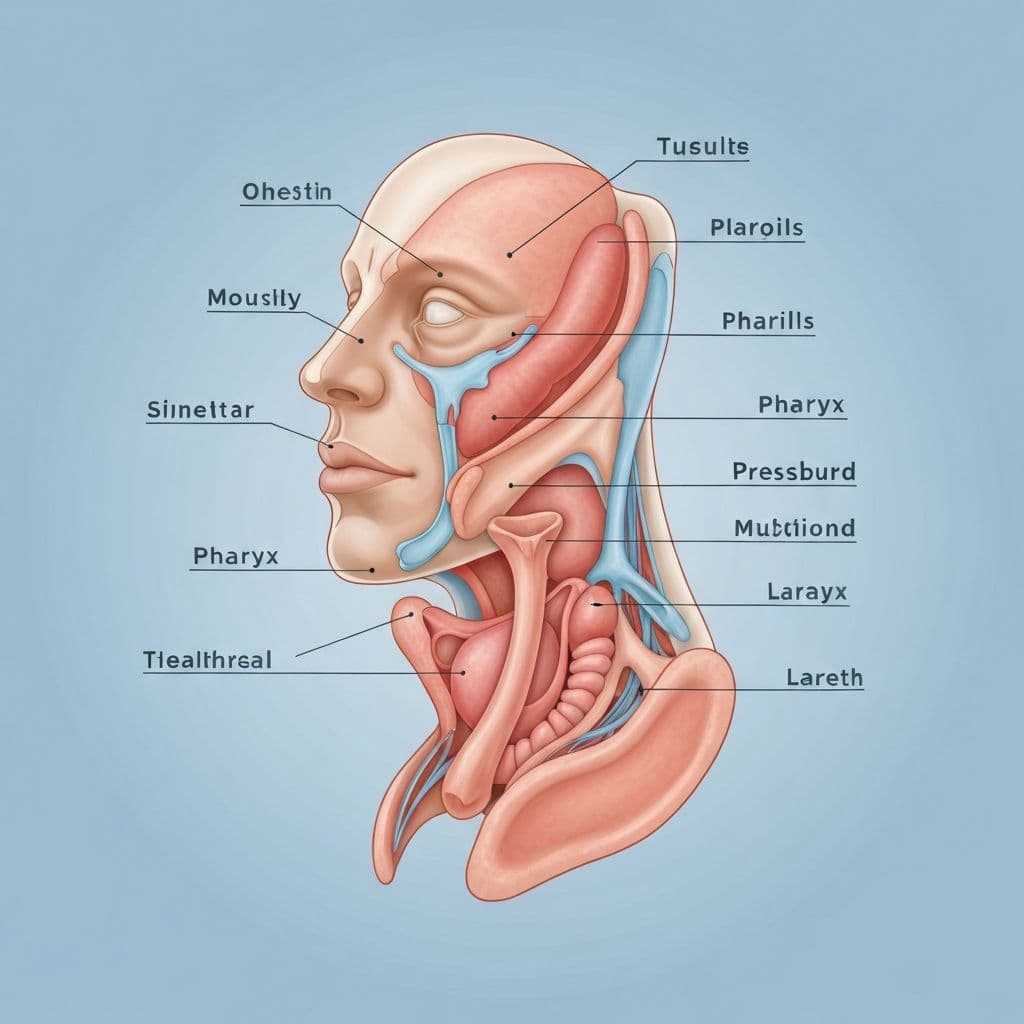
Your throat consists of several important components:
- Pharynx: The muscular tube connecting mouth to esophagus
- Larynx: Contains vocal cords and protects airway
- Tonsils: Lymphoid tissue providing immune defense
- Epiglottis: Flap that covers airway during swallowing
- Esophagus: Tube carrying food to stomach
How Swallowing Works
Normal swallowing involves:
- Oral phase: Tongue moves food toward throat
- Pharyngeal phase: Muscles contract, epiglottis closes airway
- Esophageal phase: Peristalsis moves food down esophagus
Pain occurs when inflammation or irritation affects any of these structures.
Viral Infections Causing Throat Pain {#viral-infections}
Common Cold (Rhinovirus)
Characteristics:
- Mild to moderate throat discomfort
- Often accompanies nasal congestion and cough
- Typically resolves within 7-10 days
- Highly contagious
Why it causes pain: Viruses infect throat mucosal cells, triggering inflammation and mucus production that irritates nerve endings.
Influenza (Flu)
Distinguishing features:
- More severe throat pain than common cold
- Accompanied by fever, body aches, fatigue
- Onset is usually abrupt
- Lasts 5-7 days typically
Viral mechanism: Influenza causes more pronounced inflammation than rhinoviruses, creating more intense discomfort.
Mononucleosis (Epstein-Barr Virus)
Distinctive symptoms:
- Severe sore throat often with white patches
- Swollen tonsils and lymph nodes
- Extreme fatigue
- Fever and headache
- May last 2-4 weeks
Clinical significance: EBV causes pronounced throat inflammation and requires supportive care. Spleen enlargement is a concern, so contact sports should be avoided during recovery.
Coxsackievirus (Hand-Foot-Mouth Disease)
Identifying characteristics:
- Ulcers in throat and mouth
- Small blisters on hands and feet
- Difficulty swallowing due to ulcers
- Mild fever
- Primarily affects children but can affect adults
Respiratory Syncytial Virus (RSV)
Common features:
- Throat discomfort
- Chest congestion
- Cough and wheezing
- More serious in young children and elderly
Bacterial Throat Infections {#bacterial-infections}
Streptococcal Pharyngitis (Strep Throat)
Why strep causes severe pain: Group A Streptococcus produces toxins causing intense throat inflammation.
Characteristic symptoms:
- Sudden severe sore throat
- Difficulty swallowing (dysphagia)
- Fever (often 101-104°F)
- Enlarged red tonsils, sometimes with white/yellow coating
- Swollen lymph nodes
- Headache and abdominal pain
- Rash (scarlet fever) in some cases
Why medical treatment is essential:
- Risk of rheumatic fever if untreated
- Risk of post-streptococcal glomerulonephritis
- Antibiotics reduce symptom duration and contagion
Other Bacterial Infections
Staphylococcus aureus:
- Causes throat abscesses
- Severe pain and difficulty swallowing
- Requires medical intervention
Diphtheria (Corynebacterium diphtheriae):
- Rare but serious in unvaccinated populations
- Produces pseudomembrane
- Can compromise airway
- Requires immediate medical care
Allergies and Environmental Triggers {#allergies-triggers}
Environmental Allergies
How allergies cause throat pain:
- Postnasal drip: Allergens trigger nasal inflammation, drainage irritates throat
- Direct reaction: Inhaled allergens directly affect throat tissue
- Inflammatory cascade: Histamine release causes swelling and irritation
Common allergens:
- Pollen (seasonal)
- Dust and dust mites
- Pet dander
- Mold spores
- Air pollution
Associated symptoms:
- Nasal congestion
- Itchy eyes
- Sneezing
- Throat clearing
Food Allergies
Immediate reactions:
- Throat swelling (anaphylaxis risk)
- Itching and burning sensation
- Difficulty swallowing
- Mouth and throat tingling
Common triggers:
- Peanuts and tree nuts
- Shellfish
- Milk and eggs
- Wheat
- Sesame
Warning signs requiring immediate care:
- Difficulty breathing
- Throat tightness
- Facial swelling
- Emergency intervention may be needed
Environmental Irritants
Causes of throat irritation:
- Cigarette smoke (secondhand and firsthand)
- Air pollution and smog
- Chemical exposure
- Dry air and low humidity
- Vocal strain and excessive shouting
Acid Reflux and GERD {#acid-reflux}
How Acid Reflux Affects the Throat
Mechanism of pain: Stomach acid backs up into esophagus and throat, directly irritating sensitive tissues.
Distinctive features of reflux-related pain:
- Often worse after eating, especially spicy or fatty foods
- Worsens when lying down
- Better after taking antacids
- Often accompanied by heartburn
- May worsen in evening
Symptoms Beyond Throat Pain
Associated GERD symptoms:
- Heartburn and chest discomfort
- Regurgitation of food or liquid
- Difficulty swallowing (dysphagia)
- Hoarseness or voice changes
- Chronic cough
- Sensation of lump in throat (globus sensation)
Long-term Consequences
Chronic acid exposure can cause:
- Barrett's esophagus (precancerous condition)
- Esophageal strictures
- Increased esophageal cancer risk
- Dental erosion
- Laryngeal damage
Other Medical Conditions {#other-conditions}
Tonsillitis and Enlarged Tonsils
Causes of tonsillitis:
- Viral infections (most common)
- Bacterial infections
- Repeated infections (recurrent tonsillitis)
Symptoms:
- Severe sore throat
- Enlarged, red tonsils
- White or yellow tonsil coating
- Fever
- Difficulty swallowing
- Ear pain (referred pain)
Surgical consideration: Tonsillectomy may be recommended if tonsillitis occurs more than 7 times yearly.
Epiglottitis
Emergency condition requiring immediate care:
- Severe throat pain
- Difficulty swallowing saliva
- Drooling
- High fever
- Difficulty breathing (stridor)
- Sitting upright, leaning forward posture
Why it's serious: Epiglottitis can rapidly compromise airway. Seek immediate emergency care if suspected.
Thyroiditis and Thyroid Disorders
Types affecting throat:
- Acute thyroiditis (infection or inflammation)
- Hashimoto's thyroiditis (autoimmune)
- Postpartum thyroiditis
Associated symptoms:
- Throat or neck pain
- Enlarged thyroid
- Voice changes
- Difficulty swallowing
Laryngitis
Voice-related throat pain:
- Vocal cord inflammation
- Hoarseness or voice loss
- Throat discomfort during speaking
- Causes: viral infection, vocal strain, smoking
Throat or Laryngeal Cancer
Warning signs (less common but serious):
- Persistent throat pain lasting more than 3 weeks
- Pain on one side (unilateral)
- Ear pain
- Difficulty swallowing that worsens
- Unintended weight loss
- Hoarseness lasting weeks
- Neck lump
Risk factors:
- Tobacco use
- Alcohol consumption
- HPV infection
- Age over 50
When to Seek Medical Care {#seek-care}
Mild Cases (Home Care Appropriate)
Typical presentation:
- Mild sore throat
- No fever or low-grade fever
- Able to swallow liquids
- Symptoms less than 3 days
- No significant constitutional symptoms
Moderate Cases (See Healthcare Provider)
Schedule appointment if:
- Throat pain persists beyond 5-7 days
- Fever present (101°F or higher)
- Difficulty swallowing causing dehydration
- Enlarged lymph nodes
- Visible white coating on tonsils
- Symptoms suggest strep throat
Seek Immediate Medical Care
Go to emergency room if:
- Severe difficulty breathing
- Drooling unable to swallow saliva
- High fever (over 103°F)
- Severe unilateral throat pain
- Neck stiffness
- Signs of epiglottitis
- Symptoms suggest anaphylaxis
- Recent foreign body ingestion
- Suspected throat abscess
Relief Strategies and Management {#relief-strategies}
Home Remedies for Sore Throat
Hydration:
- Drink warm herbal tea with honey
- Sip warm lemon water
- Consume bone broth
- Stay well-hydrated with room-temperature water
Topical comfort:
- Use throat lozenges
- Gargle with salt water (1/2 teaspoon salt in 8 oz warm water)
- Use throat sprays with benzocaine
- Apply warm compress to neck
Nutritional support:
- Soft foods (yogurt, applesauce, smoothies)
- Avoid hot, spicy, or scratchy foods
- Consume foods high in vitamin C
- Include zinc-rich foods
Over-the-Counter Medications
Pain relief:
- Acetaminophen (Tylenol)
- Ibuprofen (Advil, Motrin)
- Naproxen (Aleve)
Cough suppressants:
- Dextromethorphan
- Honey (often as effective as OTC suppressants)
Decongestants:
- Pseudoephedrine
- Phenylephrine
Prescription Treatment
Antibiotics (for bacterial infections):
- Penicillin or amoxicillin (strep throat)
- Alternative: Azithromycin or fluoroquinolones
- Complete full course even if feeling better
Anti-inflammatory:
- Corticosteroids may reduce severe throat inflammation
Frequently Asked Questions {#faqs}
How long does a sore throat typically last?
- Viral infections: 5-7 days typically
- Strep throat: 7-10 days without antibiotics; 3-5 days with antibiotics
- Mononucleosis: 2-4 weeks
- Allergies: Persistent until allergen exposure ends
- Acid reflux: Ongoing until condition is managed
Can I tell if my sore throat is bacterial or viral?
Clinical signs suggesting strep throat (bacterial):
- Sudden severe pain
- High fever
- Swollen tonsils with white coating
- Swollen lymph nodes
- No cough
However, only a throat culture or rapid strep test confirms diagnosis.
Is it safe to exercise with a sore throat?
- Rule of thumb: "Neck check" ruleif symptoms are above the neck (sore throat, runny nose), light exercise is usually safe
- Avoid intense exercise if accompanied by fever or body aches
- Stay hydrated
- Listen to your body
When should I be concerned about a sore throat in children?
Seek medical attention if:
- Difficulty breathing or stridor
- Severe drooling
- Difficulty swallowing
- Fever over 104°F
- Symptoms lasting more than 4-5 days
- Severe pain
Can I prevent sore throats?
Prevention strategies:
- Wash hands frequently
- Avoid close contact with sick individuals
- Don't share eating utensils or drinks
- Keep vaccinations current (including flu vaccine)
- Avoid smoking and secondhand smoke
- Manage allergies
- Practice good oral hygiene
- Avoid dry environments; use humidifier
Conclusion
When your throat hurts when you swallow, multiple potential causes require considerationfrom common viral and bacterial infections to allergies, acid reflux, and rarely, more serious conditions. Understanding the underlying cause allows appropriate management and prevents complications.
Most cases of sore throat resolve within 7-10 days with supportive care including hydration, rest, and pain management. However, persistent symptoms, severe pain, or associated systemic symptoms warrant medical evaluation. By recognizing warning signs indicating need for professional care and implementing appropriate home management strategies, you can effectively navigate this common health concern.