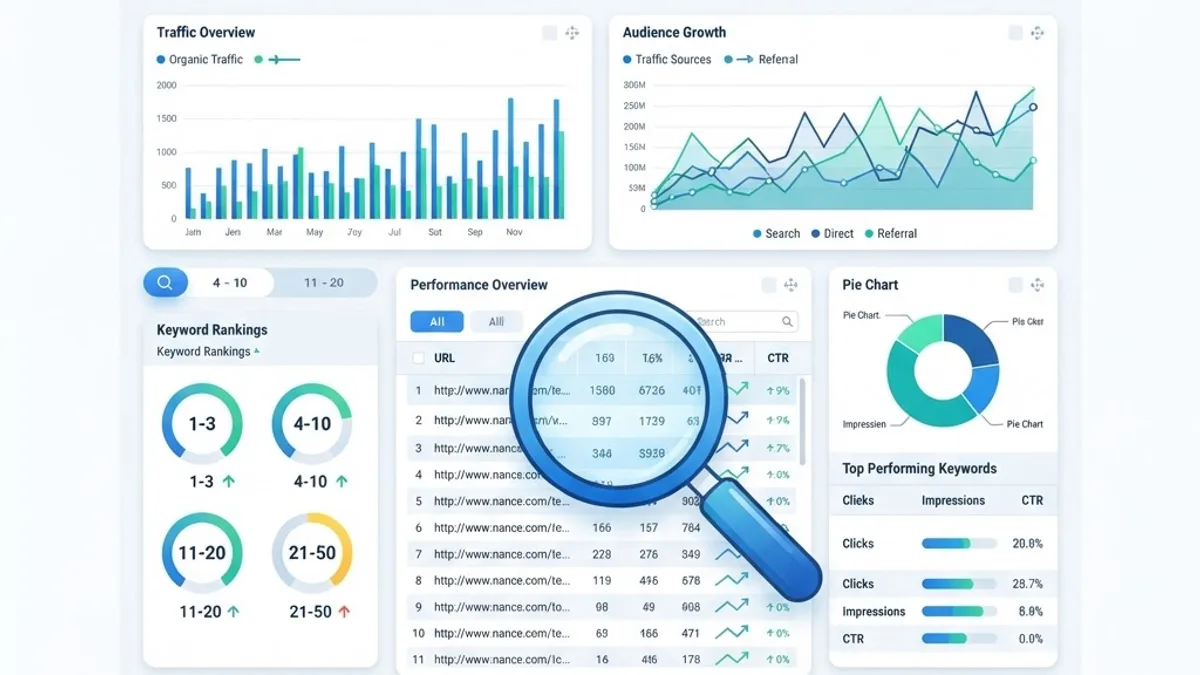
Explore blogs similar to Moz that deliver trusted SEO insights, learn what makes them authoritative, and discover how to choose the right ones to follow.
Introduction
Moz built its reputation by making SEO understandable, publishing data-driven guides, and fostering a genuine community. If you rely on Moz for insight, you are probably looking for blogs similar to Moz, trusted resources that combine expertise, clarity, and practical advice you can act on.
This guide explains what makes Moz-style blogs so valuable, the categories of alternatives worth following, and how to choose the right mix of sources so you stay current without drowning in noise. Whether you are a business owner, marketer, or aspiring SEO, the goal is a smarter reading list.
Table of Contents
- What makes Moz such a trusted resource
- Why you need more than one SEO source
- Categories of blogs similar to Moz
- What to look for in an authoritative SEO blog
- How to build a balanced SEO reading list
- Turning insights into action
- Avoiding outdated and low-quality advice
- Frequently asked questions
- Conclusion
What Makes Moz Such a Trusted Resource
Moz earned trust through a few consistent qualities. It explains complex topics in plain language, backs claims with data and testing, and keeps content updated as search evolves. It also built a community where practitioners share and debate ideas.
Those qualities, clarity, evidence, freshness, and community, are exactly what to look for in any SEO blog. When you evaluate alternatives, you are really looking for sources that share this commitment to genuine expertise and helpfulness rather than hype.
Why You Need More Than One SEO Source
Even the best single blog has blind spots. SEO spans technical work, content, links, analytics, and local search, and no one publication covers every angle perfectly. Following several trusted sources gives you:
- Broader coverage across technical, content, and strategy topics.
- Multiple perspectives that help you separate durable principles from passing trends.
- Faster awareness of algorithm updates and industry shifts.
- Practical variety, from beginner explainers to advanced case studies.
A diversified reading list, much like a diversified digital marketing strategy, makes you more resilient and better informed.
Categories of Blogs Similar to Moz
Rather than a single list, think in categories that each serve a purpose:
All-Round SEO Education Blogs
These resources, like Moz itself, cover the full spectrum of SEO with beginner-friendly guides and regular updates. They are ideal for building a strong foundation and staying current on best practices.
Tool-Backed Data Blogs
Many SEO software companies publish research-heavy blogs full of original studies, benchmarks, and case data. They are excellent for evidence-based insight and understanding what actually correlates with rankings.
Practitioner and Agency Blogs
Blogs run by working SEOs and agencies share in-the-trenches tactics, experiments, and client-style case studies. They translate theory into repeatable playbooks.
Google and Official Sources
Google's own documentation and search-focused channels are essential primary sources. They tell you directly what search engines expect, which helps you filter third-party speculation.
Content and Digital Marketing Blogs
Because SEO overlaps heavily with content, blogs focused on content writing and broader marketing round out your understanding of how rankings connect to real business results.
What to Look for in an Authoritative SEO Blog
Not every SEO blog deserves your trust. Prioritize sources that show:
- Demonstrated expertise. Named authors with real track records.
- Evidence over opinion. Claims supported by data, testing, or official guidance.
- Freshness. Content updated to reflect current search behavior.
- Transparency. Clear reasoning and honest acknowledgment of uncertainty.
- Practicality. Advice you can actually apply, not just theory.
These signals mirror Google's own E-E-A-T framework, which is a useful lens for judging any source, including the ones you rely on daily.
How to Build a Balanced SEO Reading List
A strong reading list is curated, not endless. A practical approach:
- Anchor with one or two all-round educators for fundamentals.
- Add a data-driven tool blog for research and benchmarks.
- Include a practitioner blog for tactical, real-world insight.
- Follow official sources for authoritative guidance.
- Add one content or marketing blog to connect SEO to strategy.
Five to seven quality sources are usually enough. More than that and you risk information overload without added clarity.
Turning Insights Into Action
Reading is only valuable if it changes what you do. To convert insight into results:
- Keep a swipe file of tactics and ideas worth testing.
- Prioritize by impact. Focus on changes likely to move your key metrics.
- Test before believing. Validate advice on your own site rather than assuming it applies universally.
- Document outcomes. Track what works so your strategy improves over time.
This disciplined habit turns a reading list into a genuine competitive edge.
Avoiding Outdated and Low-Quality Advice
SEO misinformation spreads quickly. Protect yourself by:
- Checking dates. Tactics from years ago may be obsolete or harmful.
- Cross-referencing. Verify surprising claims against official sources.
- Ignoring guarantees. Anyone promising instant, guaranteed rankings is not credible.
- Favoring principles over hacks. Durable fundamentals outlast short-lived tricks.
A skeptical, evidence-first mindset is your best defense against wasted effort.
Choosing the Right Tool for Your Needs
No single platform is best for everyone. Solo creators and small businesses often need affordability and simplicity, while agencies require depth, seat management, and client reporting. Before committing, list the tasks you perform most often, keyword research, rank tracking, backlink analysis, or technical audits, and weigh each tool against that specific workload.
Free trials are your friend. Run the same real project through two or three platforms and compare the accuracy of their data, the clarity of their interface, and the usefulness of their recommendations. The right tool is the one that fits your workflow and actually gets used, not the one with the longest feature list.
Combining Tools for a Complete Picture
Experienced SEOs rarely rely on one platform alone. Each tool has strengths and blind spots, so combining a couple of complementary options often produces a more accurate view of your performance. You might pair a strong backlink database with a platform that excels at technical crawling, then cross-reference the data for confidence.
Whatever combination you choose, remember that tools inform strategy but do not replace it. The insights only create value when they feed into consistent action, whether that is improving content, fixing technical issues, or supporting a broader digital marketing plan. Increasingly, artificial intelligence features within these platforms help surface opportunities faster, but human judgment still decides what is worth pursuing.
Getting the Most From Your SEO Platform
Buying a tool is only the first step; using it well is what drives results. Set up rank tracking for the keywords that genuinely matter to your business, schedule regular technical audits, and build a simple reporting rhythm so you can spot trends early. Small, consistent reviews beat occasional deep dives that never lead to action.
Invest time in learning each platform's advanced features, from content optimization scoring to competitor gap analysis. These capabilities often deliver the biggest wins, yet many users never move beyond the basics. The more fluent you become, the more value you extract from your subscription.
Turning SEO Data Into Real Growth
The best SEO platform in the world is useless if its insights never leave the dashboard. Build a simple loop: review your data, choose one or two high-impact actions, implement them, and measure the outcome. Whether that means improving a thin page, earning a relevant link, or fixing a crawl issue, consistent action is what converts numbers into rankings. Tools like these are most powerful when they inform a disciplined routine rather than an occasional scramble. Pair that discipline with a clear content plan and your investment in any Moz-style platform will pay for itself.
Frequently Asked Questions
What are the best blogs similar to Moz? The best choices combine clarity, data, and freshness. Look for all-round educators, tool-backed data blogs, practitioner blogs, and official search sources, then curate a small set that fits your needs.
How many SEO blogs should I follow? Around five to seven quality sources is ideal. Enough for broad coverage, few enough to avoid overload.
Are tool company blogs trustworthy? Many are excellent, especially for original data and research. Just remember they may favor their own tools, so cross-reference key claims.
How do I know if SEO advice is outdated? Check publication dates, verify against official guidance, and be wary of tactics that promise shortcuts. Favor durable principles over hacks.
Should I read Google's own resources? Yes. Official documentation and search channels are primary sources that help you filter third-party speculation.
Do SEO and content blogs overlap? Heavily. SEO success depends on content quality, so following a strong content blog complements technical SEO sources.
Conclusion
Blogs similar to Moz share a common DNA: clear explanations, real evidence, and a commitment to helping readers succeed. The smartest approach is not to replace Moz but to build a balanced reading list that covers education, data, practice, and official guidance.
Curate a handful of trusted sources, test what you learn, and let evidence guide your strategy. Ready to turn SEO insight into real growth? Partner with our team to build and execute a data-driven strategy that ranks and converts.