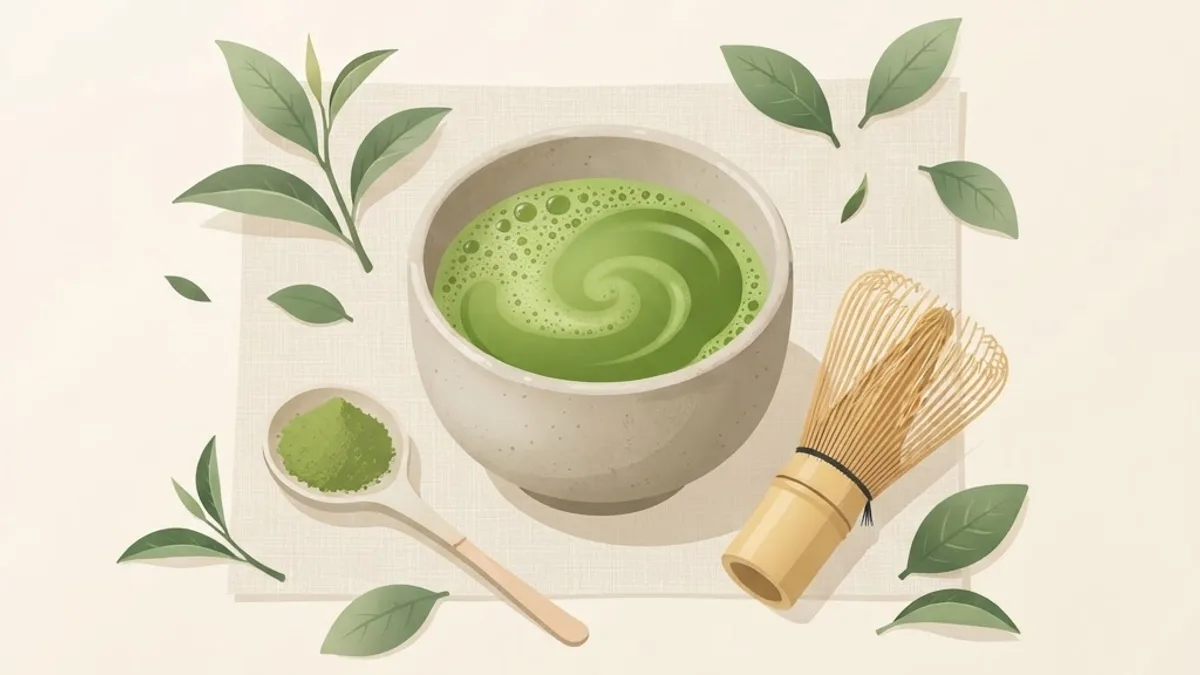
Learn what the Matchaful clean market approach means, how to spot genuinely clean matcha, and how to buy high-quality ceremonial green tea with confidence.
Last updated: July 29, 2026
Introduction
The phrase matchaful clean market captures a growing shift in how people buy green tea: they no longer want just any bright-green powder, they want matcha that is genuinely clean, traceable, and thoughtfully sourced. Matchaful is one of the brands most associated with this "clean matcha" movement, and its name has become shorthand for a higher standard of quality and transparency in a category flooded with cheap imitations.
This guide explains what the clean matcha market actually means, how to tell authentic ceremonial-grade matcha from low-quality filler, and how to shop with confidence. Whether you drink matcha for the calm focus, the antioxidants, or simply the taste, understanding the "clean market" mindset will help you spend your money wisely and enjoy a better cup.
Table of Contents
- What "clean matcha" really means
- Who Matchaful is and why the name matters
- How clean matcha is grown and processed
- Ceremonial vs culinary grade
- How to spot genuinely clean matcha
- Health benefits worth knowing
- How to prepare a proper bowl
- Buying tips for the clean market
- Frequently asked questions
- Conclusion
What "Clean Matcha" Really Means
"Clean" is a term that gets used loosely across the food world, so it helps to define it precisely for matcha. In this context, clean matcha usually means tea that is:
- Single-origin and traceable, so you know the farm or region it came from.
- Free from additives, fillers, sugar, and artificial coloring.
- Tested for contaminants such as heavy metals and pesticide residue.
- Shade-grown and stone-milled using traditional methods rather than industrial shortcuts.
The clean market exists because matcha exploded in popularity faster than most shoppers could learn to evaluate it. That created room for dull, bitter, oxidized powders dyed green and sold as premium. A clean-market brand positions itself as the transparent alternative, publishing sourcing details and lab results instead of hiding behind vague marketing.
Who Matchaful Is and Why the Name Matters
Matchaful built its reputation on sourcing organic, single-origin Japanese matcha and being open about where it comes from. The brand leaned into education, sustainability, and quality control at a time when many competitors were simply chasing the trend. As a result, "matchaful clean market" has become a useful search phrase for people who want that same standard, whether they buy from Matchaful directly or use it as a benchmark for comparing other brands.
The lesson for shoppers is not brand loyalty for its own sake. It is that the qualities Matchaful highlights, transparency, traceability, and testing, are exactly the criteria you should apply to any matcha you consider. A brand's storytelling only matters if the product behind it holds up.
How Clean Matcha Is Grown and Processed
Great matcha starts long before it reaches a tin. The finest tea plants are shade-grown for several weeks before harvest. Covering the plants forces them to produce more chlorophyll and L-theanine, which creates that vivid green color, the smooth umami flavor, and the calm-yet-alert feeling matcha is famous for.
After harvest, the leaves are steamed to halt oxidation, dried, and de-stemmed and de-veined to become "tencha." Only then is the tencha slowly ground, traditionally between granite stones, into an ultra-fine powder. Stone milling is gentle and slow, which protects the delicate flavor and nutrients. Industrial grinding, by contrast, generates heat that can scorch the powder and produce a flat, bitter taste.
Clean-market brands emphasize this entire chain because every step affects the final cup. When a seller can tell you the region, the harvest timing, the milling method, and the test results, you are almost certainly looking at real quality.
Ceremonial vs Culinary Grade
Two terms dominate matcha shopping, and confusing them is the most common mistake buyers make.
Ceremonial grade
Ceremonial-grade matcha is made from the youngest, most tender leaves of the first harvest. It is smooth, naturally sweet, and vibrant green, designed to be whisked with just water and sipped on its own. This is the grade the clean market is built around.
Culinary grade
Culinary-grade matcha comes from later harvests and slightly older leaves. It is more robust, sometimes more bitter, and priced lower because it is intended for lattes, smoothies, baking, and recipes where milk and sweeteners balance the flavor.
Neither grade is "bad," but paying ceremonial prices for culinary quality, or expecting culinary powder to taste smooth on its own, leads to disappointment. Clean-market sellers clearly label which is which.
How to Spot Genuinely Clean Matcha
You do not need to be an expert to evaluate matcha. Use these practical signals:
- Color. Look for a bright, vivid jade green. Dull, yellowish, or brownish powder signals older leaves, oxidation, or poor storage.
- Origin transparency. Reputable sellers name the region, often Uji, Nishio, Kagoshima, or a specific farm.
- Ingredient list. It should say one thing: matcha (green tea). No sugar, no fillers, no "natural flavors."
- Testing. Look for statements about heavy-metal and pesticide testing, ideally with published results.
- Packaging. Quality matcha comes in airtight, opaque tins or resealable pouches that block light and air.
- Aroma and taste. Fresh matcha smells sweet and grassy; it should taste smooth with gentle umami, not harsh or chalky.
A brand that makes this information easy to find is doing exactly what the clean market promises. Clear, well-organized product pages are part of that trust, and businesses in this space often rely on strong content writing and a clean website design to communicate sourcing details without overwhelming shoppers.
Health Benefits Worth Knowing
Matcha's popularity is not only about flavor. Because you consume the whole leaf as powder rather than steeping and discarding it, matcha delivers a concentrated dose of beneficial compounds. Commonly cited benefits include:
- Antioxidants, particularly catechins such as EGCG, which support cellular health.
- Calm, sustained energy from the combination of caffeine and L-theanine, which softens the jittery spike of coffee.
- Improved focus, thanks again to L-theanine's effect on alpha brain waves.
- A metabolism-friendly ritual that replaces sugary energy drinks with something whole and simple.
These benefits are strongest with clean, high-quality matcha. Powder cut with fillers or oxidized by poor storage delivers less of the good stuff, which is another reason the clean-market standard matters.
How to Prepare a Proper Bowl
Making matcha well is quick once you know the rhythm:
- Sift one to two grams (about a half to full teaspoon) of matcha into a bowl to remove clumps.
- Add water heated to roughly 70 to 80 degrees Celsius, never boiling, which can scorch the powder and turn it bitter.
- Whisk briskly in a "W" or "M" motion with a bamboo whisk (chasen) until a fine, even froth forms.
- Sip and enjoy, or pour over steamed milk for a latte if you are using culinary grade.
The right water temperature and a proper whisk make a bigger difference than most beginners expect. Get those two things right and even a modestly priced clean matcha will taste noticeably better.
Buying Tips for the Clean Market
To shop the matchaful clean market wisely:
- Buy small tins first to test flavor before committing to larger quantities, since matcha is best consumed fresh.
- Check the harvest or best-by date; matcha loses vibrancy within months of opening.
- Store it airtight in the fridge or a cool, dark place, away from light, heat, and strong odors.
- Match grade to use. Reserve ceremonial grade for whisked bowls and use culinary grade for lattes and recipes.
- Compare on transparency, not just price. The cheapest option rarely meets clean-market standards, but the most expensive is not automatically the best either.
Frequently Asked Questions
What does "clean matcha" actually mean? It refers to matcha that is single-origin, additive-free, and tested for contaminants, grown and milled using traditional methods. The goal is transparency and purity rather than cheap, mass-produced powder.
Is Matchaful matcha ceremonial grade? Matchaful is known for offering high-quality, organic, single-origin matcha including ceremonial-grade options. Always check the specific product label to confirm the grade you are buying.
How can I tell if my matcha is high quality? Look for a vivid jade-green color, a single-ingredient label, named origin, testing information, airtight packaging, and a smooth, sweet, grassy taste rather than a harsh or chalky one.
Is clean matcha worth the higher price? For daily drinkers who care about flavor, purity, and consistent energy, yes. Clean matcha delivers better taste and more of the beneficial compounds than cheap, filler-heavy alternatives.
Can I use ceremonial matcha in a latte? You can, but it is a bit of a waste of its delicate flavor. Culinary grade is designed for lattes and recipes, while ceremonial grade shines when whisked with just water.
How should I store matcha to keep it fresh? Keep it in an airtight, opaque container away from light, heat, air, and moisture. Refrigeration helps, and you should consume it within a few weeks of opening for the best color and taste.
Conclusion
The matchaful clean market is really about a simple promise: know what is in your cup and where it came from. Clean matcha means single-origin, additive-free, traditionally processed tea that has been tested for purity, and once you learn to read the signals, color, origin, ingredients, testing, and packaging, you can apply that standard to any brand you consider.
Choose the right grade for how you drink it, store it carefully, and whisk it with properly heated water, and you will taste the difference immediately. Clean matcha is not just a trend; it is a smarter, more transparent way to enjoy one of the world's most rewarding teas.
If you run a wellness, tea, or specialty food brand and want to communicate clean sourcing as clearly as the best in the market, our content writing and ecommerce solutions teams can help you build trust and turn curious visitors into loyal customers.