200 Ton Crocodile Shear: The Same Machine Under a Different Name
A crocodile shear is the same machine as a 200-ton alligator shear. Learn where each name is used and the five checks to run before buying.
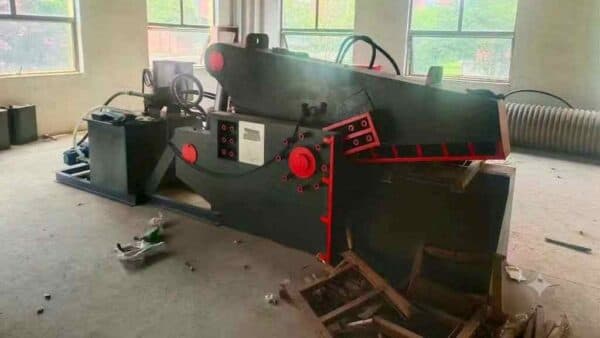
A buyer searching for a small hydraulic shear will meet two names for the same machine. A 200 ton crocodile shear is a 200 ton alligator shear. The jaw looks like a crocodile's mouth, so some markets call it that, and the name stuck. Same machine, same jaw, same job — only the word on the listing changes.
Why two names for one machine
The alligator name comes from the jaw. It opens wide and snaps shut, and the shape reminded the first buyers of an alligator. Crocodile came later, from markets where that word is the familiar one. Neither name means a different design. The jaw is the same either way; only the word on the listing changes.
Where each name is used
In China and in most of Europe and the United States, the listing usually says alligator shear. In India, the Middle East and parts of Africa, crocodile shear is the word buyers search for. A supplier in Tianjin may list the same machine under either name depending on who it is selling to. Search both terms when you compare prices. A listing that says crocodile and one that says alligator can be the same machine from the same factory, and the cheaper one is not a different machine — it is the same one under the other name.
Don't buy the same machine twice
A yard that already owns an alligator shear does not need a crocodile shear. It would be buying the machine it already has, under the other name. This sounds obvious, and it still happens, usually when one person buys the alligator and another buys the crocodile for a second site without checking what the first site already runs. Before you order, check the floor. If the jaw on site already does this job, spend the money on blades and spares instead.
Buying under either name: the same five checks
Whatever the catalogue calls it, check the same five things. First, the motor. Ours is 22 kW, enough for this size without wasting power. Second, the blade hardness, 48–56 HRC — hard enough to hold an edge, not so hard it chips. Third, the thickest plate the jaw takes, 25 mm on this machine. Fourth, the speed: 6 to 10 cuts a minute, 1.5 to 3.0 tons an hour with one operator. Fifth, spares. Blades wear out, and ours ship within five working days. Check all five on either name. A crocodile listing that cannot answer them is no better than an alligator listing that cannot.
The name tells you nothing about the machine. Check the numbers, not the word.
Related Blogs
- Technology
 3 min read
200 Ton Alligator Shear: What It Cuts, and What to Check Before You Buy
What a 200 ton alligator shear cuts, the four numbers to check before you buy, and the questions to ask before you pay.
LLeon Li3 - Technology
 3 min read
The Role of Antibodies in Modern Biotechnology Research
Explore the importance of histone H4-K16 acetylation, specialized antibodies, and their role in modern biotechnology and epigenetics research.
 AbTriva4
- Technology
 2 min read
What Makes a Scrap Metal Shear Last? Four Parts Worth Checking Before You Buy
Check four parts before buying a scrap metal shear: blades, cylinders, power and controls, and the 72-hour factory test.
LLeon Li3