ADU Contractor Thousand Oaks CA: Building Quality Accessory Dwelling Units for Modern Living
These features are worth considering during the design stage.
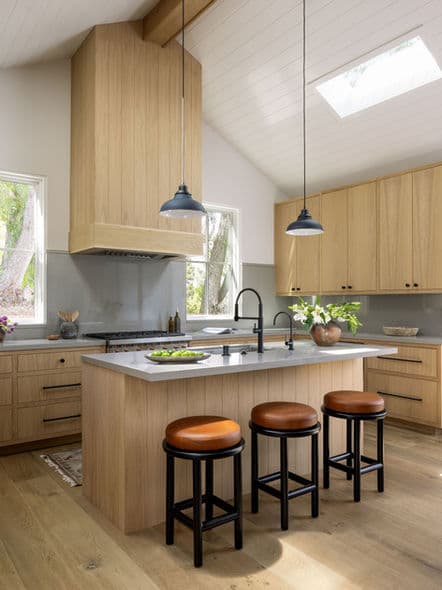
Homeowners are always looking for ways to make their properties more functional, comfortable, and valuable. Accessory Dwelling Units (ADUs) have become an increasingly popular solution because they provide additional living space without requiring homeowners to purchase another property. Whether you need a private space for aging parents, accommodation for adult children, a rental unit, or a comfortable home office, an ADU offers flexibility for different lifestyles. With thoughtful planning and professional construction, homeowners can make better use of their available property while creating a valuable long-term investment.
Choosing the Right ADU Contractor
Finding a reliable ADU Contractor Thousand Oaks CA is an important step toward turning your construction ideas into reality. Building an ADU involves more than putting together walls and installing fixtures. It requires property evaluation, architectural planning, engineering, permits, material selection, and professional construction. An experienced contractor understands how these elements work together and helps homeowners make informed decisions throughout the project.
A dependable contractor also takes time to understand your expectations, available budget, and intended use of the additional space. This personalized approach helps create a practical design while avoiding unnecessary expenses and construction complications.
Understanding Different Types of ADUs
Before starting construction, homeowners should understand the different ADU options available. The right choice depends on property size, existing structures, personal requirements, and local regulations.
Detached ADUs are separate residential structures that provide excellent privacy and independence. They are commonly used as guest houses, rental units, or living spaces for family members. Attached ADUs share a wall with the primary residence but maintain a separate entrance and independent facilities.
Garage conversions offer another practical option. They transform an existing garage into a functional living space, making use of an existing structure. Each option has different design and construction requirements, so professional guidance is valuable when selecting the most suitable solution.
Customized ADU Design for Your Property
A successful ADU project begins with a design that reflects the homeowner's lifestyle. Every property has different dimensions, layouts, and architectural characteristics. A customized approach ensures the new unit fits naturally within the available space.
Homeowners can choose the number of bedrooms, kitchen layout, bathroom features, flooring, cabinetry, windows, lighting, and exterior finishes. Some prefer an open-concept layout that makes a smaller unit feel spacious, while others prioritize separate rooms and additional storage.
Good design also considers natural ventilation, sunlight, accessibility, and efficient use of every square foot. These details make the finished ADU more comfortable and practical for everyday living.
Planning and Permitting Requirements
Permitting is one of the most important stages of ADU construction. Before work begins, homeowners must ensure that their proposed project follows applicable local zoning regulations, building codes, and safety requirements.
The process generally involves property evaluation, architectural drawings, structural engineering, utility planning, and permit applications. Depending on the property and project scope, additional documentation or approvals may also be necessary.
An experienced contractor helps coordinate these requirements and communicate with the relevant building departments. Proper preparation can reduce avoidable delays and prevent expensive changes after construction has started.
Quality Materials and Professional Construction
The quality of materials and workmanship has a direct impact on the durability of an ADU. A well-constructed unit should remain safe, attractive, and comfortable for many years.
Important construction elements include a reliable foundation, strong structural framing, durable roofing, proper insulation, modern plumbing, and professionally installed electrical systems. Interior details such as flooring, cabinets, countertops, windows, and doors also contribute to the finished appearance.
Choosing quality materials may require a thoughtful initial investment, but it can reduce future maintenance problems and improve the overall performance of the structure.
Energy Efficiency and Modern Features
Today's homeowners increasingly want living spaces that are comfortable and economical to maintain. Energy-efficient features can make a noticeable difference in the daily performance of an ADU.
Double-pane windows, proper insulation, LED lighting, efficient HVAC systems, smart thermostats, and water-saving fixtures help reduce unnecessary energy consumption. Modern kitchen appliances and carefully planned lighting can also improve convenience.
These features are worth considering during the design stage because incorporating them early is often easier than making upgrades after construction is complete.
How an ADU Can Increase Property Value
An ADU can improve the functionality and appeal of a residential property. Additional living space creates opportunities that a traditional home may not provide.
For example, homeowners may use the unit to accommodate relatives, welcome guests, establish a private workspace, or generate rental income where permitted. Future buyers may also appreciate having an independent living area that can adapt to their needs.
Although the financial return depends on construction costs, property conditions, location, and market demand, a professionally designed and properly permitted ADU can be a valuable long-term improvement.
Managing Your ADU Project Successfully
Good project management keeps construction organized and helps homeowners understand what is happening at every stage. A professional contractor coordinates designers, engineers, subcontractors, suppliers, and inspectors to maintain a consistent workflow.
Clear communication is equally important. Homeowners should receive updates about construction progress, material choices, scheduling, and any changes that may affect the budget. Discussing expectations before work begins helps prevent misunderstandings and creates a more positive building experience.
Before signing an agreement, review the project scope, payment schedule, estimated timeline, licensing information, and written contract carefully.
Conclusion
Building an ADU is an opportunity to create additional living space that supports your family's needs while improving the functionality of your property. From selecting the right design and obtaining permits to choosing durable materials and managing construction, every stage deserves careful attention. Working with an experienced contractor makes the process more organized and helps turn your ideas into a comfortable, lasting living space. Homeowners exploring professional ADU planning, design, and construction solutions can learn more about Toadubuilders and its services by visiting the official website, toadubuilders.com, and taking the first step toward a thoughtfully planned ADU project.
Frequently Asked Questions
1. What does an ADU contractor do?
An ADU contractor manages the planning, permitting, design coordination, and construction of an accessory dwelling unit.
2. What types of ADUs can I build?
Common options include detached ADUs, attached ADUs, garage conversions, and customized backyard living units.
3. Do I need a permit to build an ADU in Thousand Oaks?
Yes, ADU projects generally require applicable building permits and must meet local regulations.
4. Can an ADU increase my property value?
Yes, a professionally designed and permitted ADU can increase property appeal and provide additional living or rental opportunities.
5. How long does ADU construction take?
The timeline depends on design complexity, permit approvals, property conditions, and the construction scope.
Tags
Related Blogs
- Technology
 2 min read
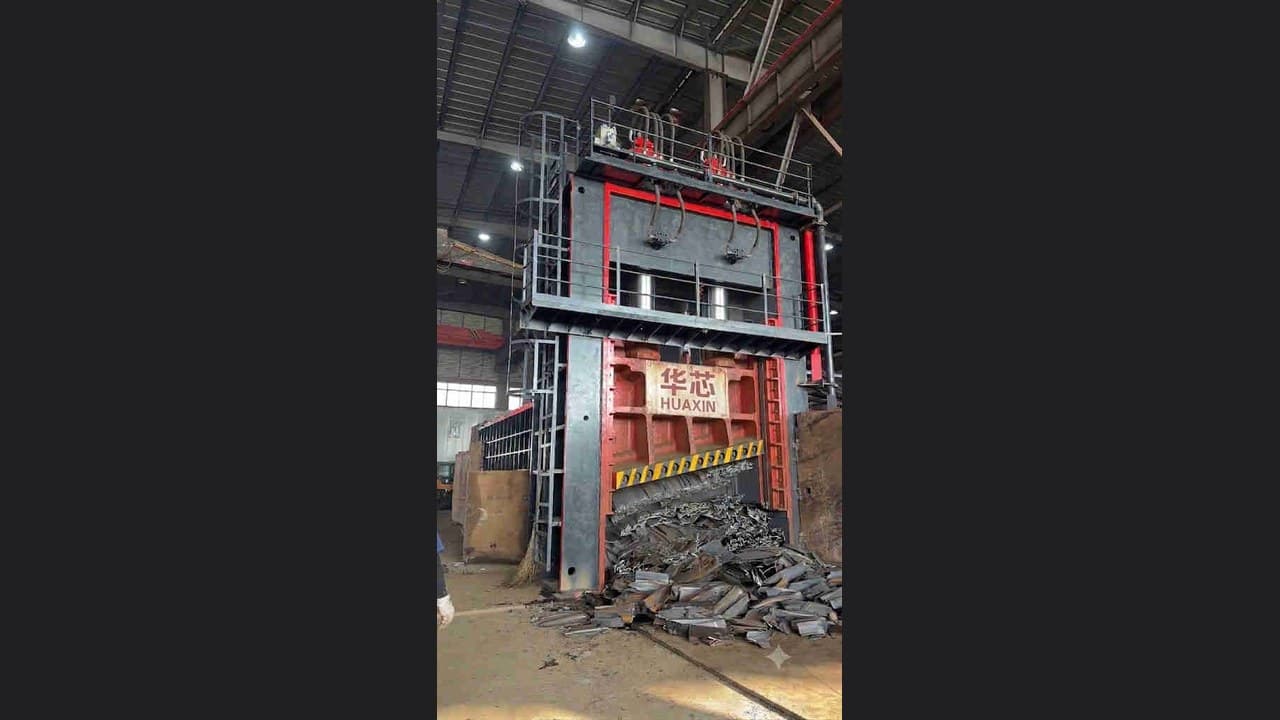
What Makes a Scrap Metal Shear Last? Four Parts Worth Checking Before You Buy
Check four parts before buying a scrap metal shear: blades, cylinders, power and controls, and the 72-hour factory test.
LLeon Li2 - Technology
 2 min read
Biotinylated AviTag Proteins: Benefits, Applications, and Research Uses
Biotinylated AviTag proteins support protein detection, purification, and immobilization in biotechnology and life science research.
Ooliver7771 - Lifestyle
 4 min read
How an Automatic Watch Movement Works
How an automatic watch movement winds itself from the motion of your wrist — the rotor, mainspring, gear train and escapement explained.
TTsar Bomba3