How an Automatic Watch Movement Works
How an automatic watch movement winds itself from the motion of your wrist — the rotor, mainspring, gear train and escapement explained.

An automatic watch is a mechanical watch that winds itself from the movement of your wrist. Unlike a quartz watch, which runs on a battery, an automatic watch is powered entirely by motion, and unlike a hand-wound watch, you never need to turn the crown to keep it running, although most automatics can be hand-wound too. Inside the case, a small team of parts works together to store energy and release it in tiny, precisely timed steps.
The Rotor: The Heart of the Self-Winding System
At the back of an automatic movement sits a semicircular weight called the rotor. Every time you move your wrist, the rotor swings freely around a central pivot. That swinging motion is the engine of the whole watch. Through a set of reversing gears, the rotor's movement in either direction winds the mainspring, so the watch keeps charging itself as long as you wear it. Many modern automatics, including those using the Seiko NH35A movement, show the rotor through an exhibition caseback, so you can watch it spin.
The Mainspring: Storing the Energy
The rotor's work is stored in the mainspring, a long, coiled strip of spring steel inside a drum called the barrel. As the rotor turns, it tightens the mainspring, storing potential energy. When you take the watch off, the mainspring slowly unwinds, releasing that stored energy over many hours. Most automatic watches hold a power reserve of around 38 to 41 hours, which means the watch keeps running for more than a day and a half off the wrist before it stops and needs a shake or a few turns of the crown to restart.
The Gear Train: Passing Power Along
From the barrel, the energy travels through the gear train, a series of precisely cut wheels and pinions that step the power down and divide time into hours, minutes and seconds. The centre wheel turns once an hour and carries the minute hand, and other wheels drive the hour and seconds hands. Each gear is sized so that the hands move at exactly the right rate, and the whole train is held in place by tiny screws and bridges.
The Escapement and Balance Wheel: Keeping Time
The most delicate part of the movement is the escapement, which meters out the mainspring's energy in small, regular bursts. In most modern watches this is a Swiss lever escapement working with a balance wheel that swings back and forth several times a second. Each swing lets the gear train advance by one tiny step, and that stepping is the ticking you can hear if you hold the watch to your ear. The balance wheel's steady rhythm, typically 21,600 or 28,800 vibrations per hour, is what makes the watch accurate, and a hairspring keeps its swings even.
Jewels and Lubrication: Reducing Friction and Wear
Inside the movement you will find small red synthetic rubies, called jewels, set at the points where the moving parts pivot. They are not decoration: jewel bearings reduce friction and wear, which is why a well-made automatic can run for decades. The pivots are also lubricated with special oils, and a full service every few years keeps the movement clean and oiled.
Automatic vs. Quartz vs. Manual Watches
A quartz watch uses a battery and a quartz crystal to keep time, and it is usually more accurate and needs less care. A manual watch must be wound by hand every day or two. An automatic sits in between: it has the craft and character of a mechanical watch, needs no battery, and stays wound as long as you wear it. For many collectors, that combination of engineering and everyday convenience is the appeal, and modern automatic watches from brands such as Tsar Bomba watches pair these movements with sapphire crystal, carbon fiber and steel cases, and water resistance up to 10 ATM.
How to Look After an Automatic Watch
Wear it regularly, keep it away from strong magnets, and avoid hard knocks. If you rotate between several watches, a watch winder can keep an automatic running when it is not on your wrist, although a few turns of the crown and a gentle shake will restart it just as well. Have it serviced every three to five years so the oils stay fresh and the seals stay sound.
Final Thoughts: Understanding the Engineering Behind Automatic Watches
An automatic movement turns the simple motion of your day into timekeeping, with no battery and no daily winding. It is a small machine you wear on your wrist, and once you understand the rotor, the mainspring and the escapement, you can hear and feel it working every time you move.
Discover Tsar Bomba watches at tsarbamba.com
Tsar Bomba Watch is the official store for Tsar Bomba timepieces — automatic movements, sapphire crystal, water resistance up to 10 ATM, and designs that stand out on any wrist.
Related Blogs
- Small Business
 5 min read
ADU Contractor Thousand Oaks CA: Building Quality Accessory Dwelling Units for Modern Living
These features are worth considering during the design stage.
TToadu Builders3 - Technology
 2 min read
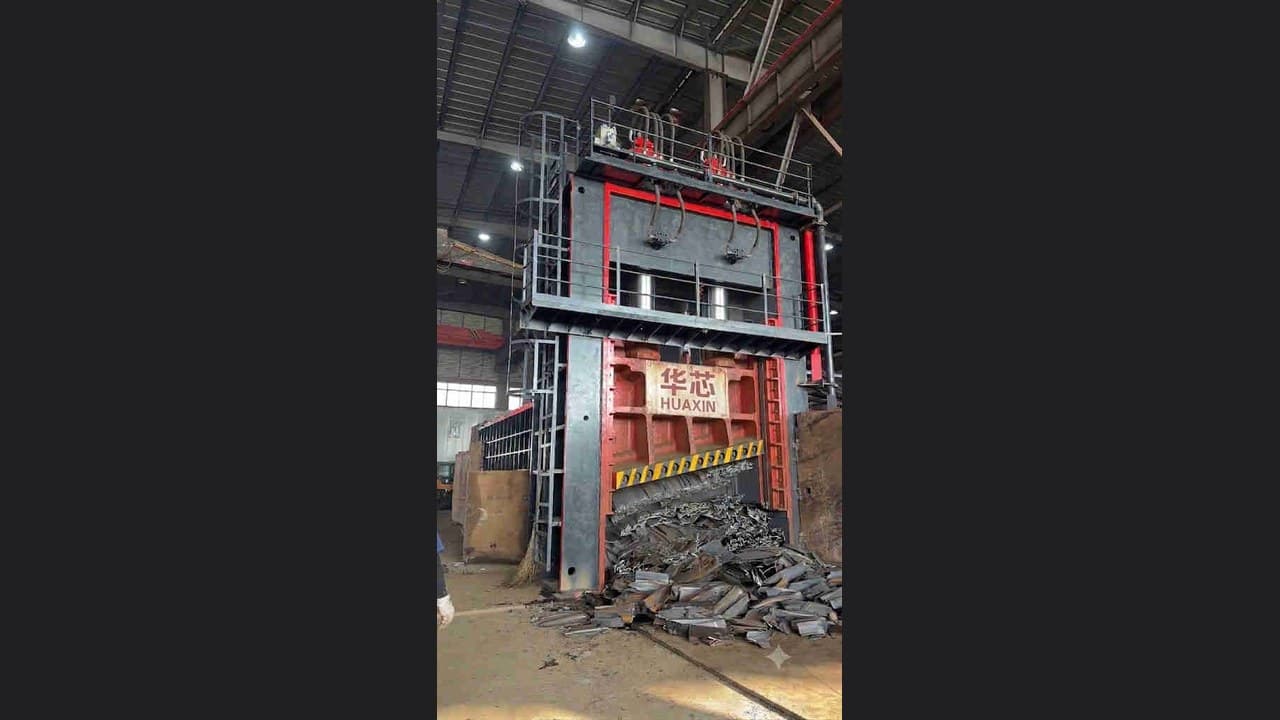
What Makes a Scrap Metal Shear Last? Four Parts Worth Checking Before You Buy
Check four parts before buying a scrap metal shear: blades, cylinders, power and controls, and the 72-hour factory test.
LLeon Li2 - Technology
 2 min read
Biotinylated AviTag Proteins: Benefits, Applications, and Research Uses
Biotinylated AviTag proteins support protein detection, purification, and immobilization in biotechnology and life science research.
Ooliver7771