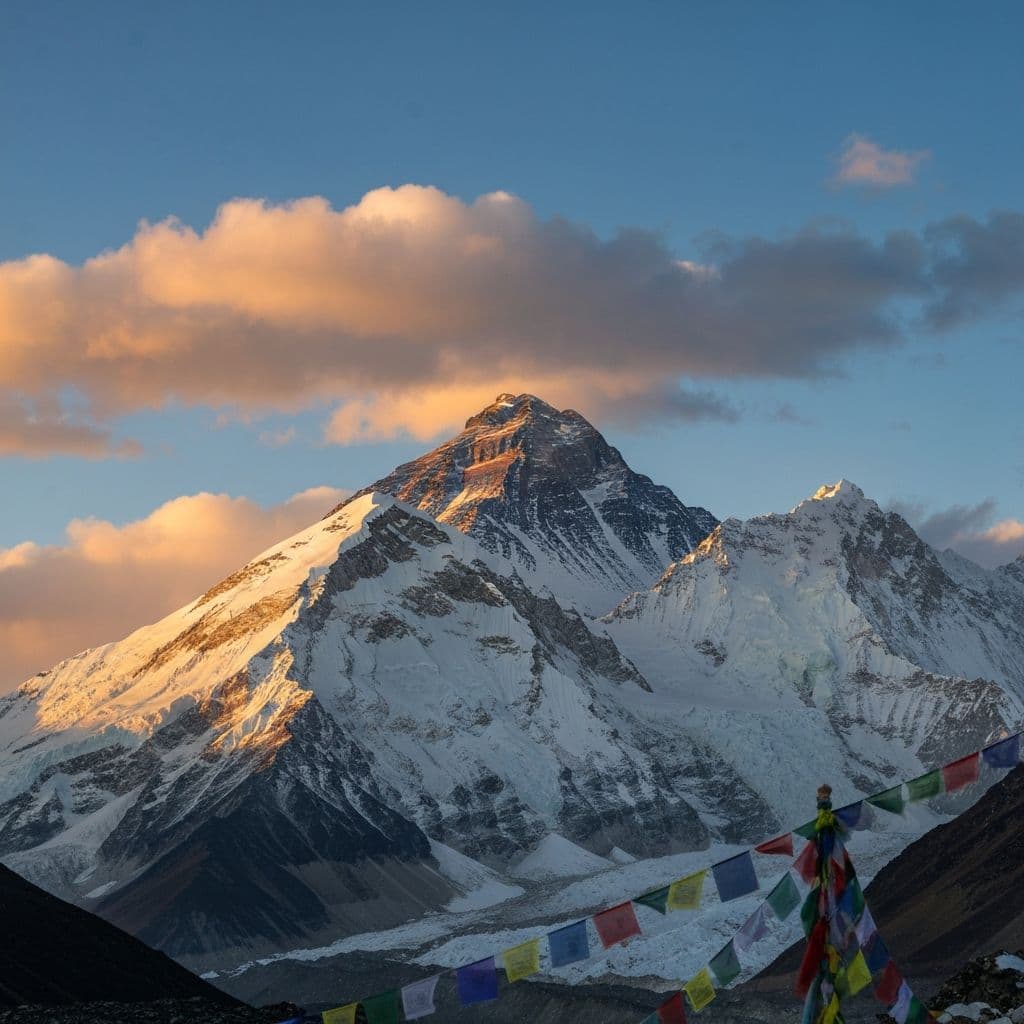
How long does it take to climb Mount Everest? Discover the full expedition timeline, training requirements, costs, dangers, and tips for summiting the world's tallest peak.
How Long Does It Take to Climb Mount Everest
If you've ever dreamed of standing on the roof of the world, you've probably wondered, how long does it take to climb Mount Everest? The answer might surprise you. While the actual summit push takes only a few days, the entire expedition typically lasts 60 to 70 daysabout two months from base camp to summit and back. This includes acclimatization, weather windows, and the physical preparation needed to survive at extreme altitudes.
In this guide, we'll break down the Everest climb stage-by-stage, including timelines, training, costs, challenges, and expert tips for aspiring mountaineers.
Table of Contents
- Mount Everest at a Glance
- Total Expedition Timeline
- Stages of Climbing Mount Everest
- Training Required Before Climbing
- Cost of Climbing Everest
- Dangers and Death Zone
- Tips for First-Time Mountaineers
- FAQs
- Conclusion
Mount Everest at a Glance
- Height: 29,032 feet (8,849 meters)
- Location: Nepal–Tibet border
- First summit: Edmund Hillary & Tenzing Norgay (1953)
- Best season: April–May (spring), September–October (autumn)
Climbing Everest is the ultimate test of human enduranceboth mentally and physically.
Total Expedition Timeline
A typical Everest expedition lasts about 2 months, broken down as follows:
- Days 1–4: Travel to Kathmandu and gear preparation
- Days 5–14: Trek to Everest Base Camp (EBC)
- Days 15–45: Acclimatization rotations
- Days 46–60: Summit push window
- Days 60–70: Descent and return home
Why So Long?
The extended timeline isn't because of distanceit's because of acclimatization. Climbers must let their bodies adapt to thin air, or risk fatal altitude sickness.
Stages of Climbing Mount Everest
1. Trek to Base Camp (10–14 days)
Climbers begin in Lukla and trek through Namche Bazaar, Tengboche, and Dingboche before reaching Everest Base Camp (5,364 m).
2. Base Camp Acclimatization (1–2 weeks)
Climbers train, rest, and adapt to lower oxygen levels.
3. Acclimatization Rotations (3–4 weeks)
Climbers ascend and descend between camps:
- Camp 1: 6,065 m
- Camp 2: 6,500 m
- Camp 3: 7,200 m
- Camp 4: 7,920 m (start of the death zone)
Each rotation strengthens red blood cell production.
4. Summit Push (4–6 days)
The final push usually starts from Camp 4 around midnight. Climbers reach the summit around sunrisetypically a 12–18 hour journey to and from the top.
5. Descent (3–5 days)
Descending is often more dangerous than climbing. Exhaustion and weather changes claim many lives.
Training Required Before Climbing
Climbing Everest requires 6–12 months of intense preparation.
Physical Training
- Cardio endurance (running, cycling, hiking)
- Strength training (legs, core, back)
- Stair climbing with weighted backpacks
- High-altitude training when possible
Mountaineering Skills
- Ice axe and crampon use
- Rope work and rappelling
- Glacier travel
- Crevasse rescue
Prior Climbing Experience
Most guides require summiting at least one 8,000-meter peak like Cho Oyu or Manaslu before attempting Everest.
Cost of Climbing Everest
Climbing Everest is expensive. Total costs typically range from $30,000 to $130,000.
Cost Breakdown
- Permit fee: $11,000 (Nepal side)
- Guided expedition package: $35,000–$120,000
- Gear and equipment: $7,000–$15,000
- Travel and insurance: $2,000–$5,000
- Sherpa support and oxygen: Included in most packages
Example
A standard guided package with a reputable company like Alpine Ascents or Madison Mountaineering costs around $65,000.
Dangers and Death Zone
Above 8,000 meters, oxygen levels are too low to sustain human life for long.
Major Risks
- Hypoxia and altitude sickness
- Frostbite and hypothermia
- Avalanches and crevasse falls
- Khumbu Icefall hazards
- Storms and high winds
- Exhaustion-related accidents
Statistics
- Over 310 climbers have died on Everest since records began.
- The death rate is approximately 1 in 100 climbers.
Tips for First-Time Mountaineers
- Start small: Climb peaks like Kilimanjaro or Aconcagua first.
- Hire a reputable guiding company.
- Train consistently for at least one year.
- Invest in quality gearit could save your life.
- Prioritize acclimatization over speed.
- Listen to your bodyturn around if needed.
- Mental preparation mattersEverest tests willpower as much as fitness.
Pro Tip: "Getting to the summit is optional. Getting down is mandatory." – Ed Viesturs, legendary mountaineer.
FAQs
Can a beginner climb Mount Everest?
No. Everest requires advanced mountaineering experience and strong physical fitness.
How long is the actual summit day?
From Camp 4 to the summit and back, it usually takes 12–18 hours.
What's the success rate of climbers?
About 65% of climbers successfully reach the summit each season.
Why do climbers leave bodies on Everest?
Recovering bodies in the death zone is extremely dangerous and often impossible.
Is it safer to climb from Nepal or Tibet?
Nepal's south side is more popular and has better infrastructure, but both routes carry serious risks.
Conclusion
So, how long does it take to climb Mount Everest? A full expedition takes 60 to 70 days, with weeks of acclimatization, intense training, and only a few hours of actual summit time. Climbing Everest is an incredible achievement, but it demands rigorous preparation, financial investment, and respect for the mountain's dangers. Whether you dream of summiting or simply admire those who do, Everest remains one of humanity's greatest challengesand triumphs.